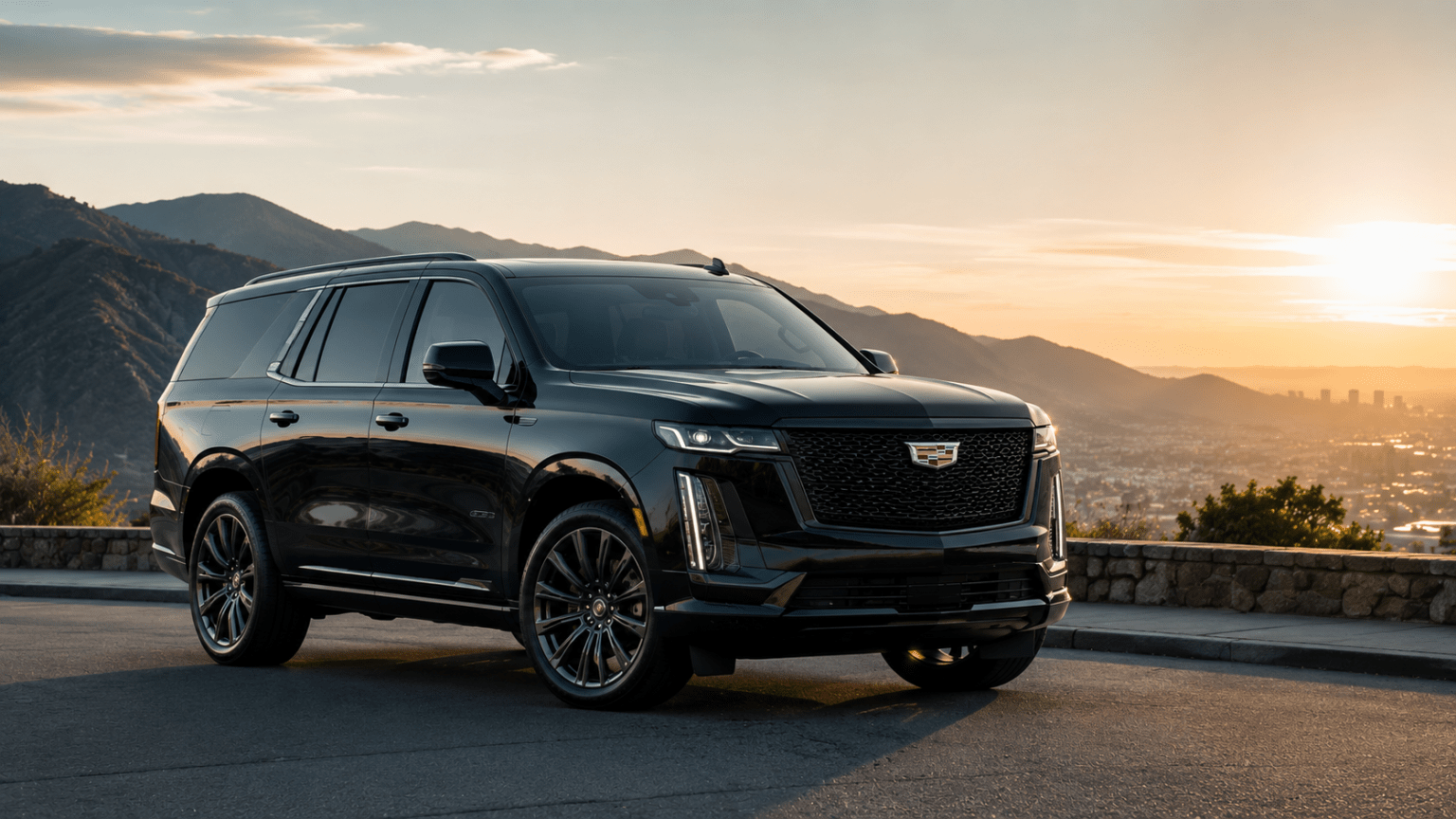
A luxury SUV can make a rough road feel calm, until one corner starts thumping like a loose toolbox. A Cadillac Escalade shock absorber failure often costs far more than owners expect because Magnetic Ride Control ties comfort, handling, electronics, ride height, and diagnostics into one repair decision. In the U.S., RepairPal places Escalade shock or strut replacement around $1,592 to $1,850 on average, with parts making up most of that bill. That number can climb when a dealer uses OEM parts, when both rear air shocks need work, or when a warning light leads to extra testing. For owners comparing repair choices, trusted automotive ownership insights can help separate a smart repair from an expensive guess. The real lesson is simple: on an Escalade, the shock is not only a shock. It is part of the personality of the truck.
What Shock Absorber Failure Costs on an Escalade
Cost anxiety starts when the ride changes, but the invoice usually depends on which part of the suspension has failed. Magnetic Ride Control uses electronically controlled damping, and many Escalades also pair that setup with rear air leveling. That means the cheapest repair is rarely the repair you should assume first.
Why Magnetic Ride Control shocks cost more than standard shocks
Magnetic Ride Control shocks are expensive because they are not passive metal tubes filled with oil. They react to road movement through electronically managed damping, and Cadillac describes the system as one that reads road conditions and adjusts on the move. A standard shock may only need to control bounce, but this setup has to talk to the vehicle’s suspension control system.
That extra control is what makes the Escalade feel planted for its size. The same feature makes replacement painful. A driver in Texas may feel a harsh rear bounce and expect a normal truck repair, then learn the part carries luxury-SUV pricing before labor even starts.
What changes the final shop bill
Escalade MagneRide replacement cost depends on model year, trim, part source, labor rate, and whether the shop replaces one corner or a pair. RepairPal’s national estimate lists labor around $232 to $341 and parts around $1,360 to $1,510, before taxes, fees, and local market differences. A dealer in Los Angeles, New York, or Miami may land higher than an independent shop in a smaller Midwest city.
The counterintuitive part is that the shock itself may not be the only money trap. A bad connector, ride height issue, air leak, or suspension control fault can make a good shock look guilty. General Motors service guidance has warned against replacing shocks in pairs unless diagnosis confirms both have failed, which matters when one wrong assumption can add hundreds to the bill.
Reading the Symptoms Before You Approve the Repair
A failed suspension part rarely announces itself with one perfect clue. Escalades are heavy, quiet, and loaded with insulation, so the first signs can feel vague. That makes careful symptom reading worth money.
Failed shock symptoms that owners often notice first
Failed shock symptoms usually show up as a harsh ride, extra bounce after dips, nose dive during braking, rear-end squat, clunking over broken pavement, or uneven tire wear. The cabin may still feel premium on smooth roads, which fools many owners into waiting too long. Rough pavement tells the truth sooner.
A Florida owner may notice the rear end hopping over bridge seams while the dashboard stays silent. That does not mean the suspension is fine. It means the problem has not reached the point where the control module gives you a clean warning.
Why warning lights do not tell the whole story
Magnetic Ride Control shocks can fail mechanically before the electronics make a dramatic complaint. Oil seepage, internal wear, weak damping, and worn mounts can all change the ride without giving the driver a perfect message. That is why a visual inspection and road test matter as much as a scan tool.
Cadillac suspension repair gets expensive when the shop treats the warning light as the whole diagnosis. A good technician checks the shock body, electrical connector, wiring, ride height, compressor behavior, tire condition, and suspension bushings. The scan tool is one witness, not the judge.
Choosing Between OEM, Aftermarket, and Conversion Options
Once the diagnosis is clear, the repair choice becomes a budget decision with comfort attached. Escalade owners usually face three paths: OEM-style replacement, aftermarket Magnetic Ride parts, or a conversion kit that removes the expensive adaptive system from the equation.
Magnetic Ride Control shocks versus cheaper replacements
Magnetic Ride Control shocks preserve the factory feel, especially on long highway drives and uneven city roads. OEM GM parts can be costly; one OEM rear air lift shock listing for a 2019 Escalade ESV showed an MSRP above $900 and an online price around $514 for one shock. That is before labor, shop supplies, taxes, or related hardware.
Aftermarket parts can cut the bill, but quality varies. Some listings show low-cost magnetic replacement pairs, while GM Genuine Parts and ACDelco position their suspension parts as designed for GM vehicles. The unexpected truth is that the cheapest part can be expensive if it creates a harsh ride, warning light, or early second repair.
When a conversion kit makes financial sense
A conversion kit can make sense when the Escalade is older, out of warranty, and used as a family hauler rather than a showroom-perfect luxury SUV. Some aftermarket conversion packages replace the adaptive system with passive suspension parts. Strutmasters listed a MagneRide premium kit for compatible Escalade trims at about $1,500 with a three-year warranty.
Escalade MagneRide replacement cost becomes easier to accept when you match the repair to the vehicle’s future. If you plan to keep the SUV for five more years, factory-style ride quality may be worth paying for. If the truck already has high mileage and several aging systems, a conversion can stop the cycle of expensive corner-by-corner repairs.
How to Keep the Repair From Becoming a Money Pit
The smartest Escalade owners do not approve suspension work by fear. They ask for proof, compare parts, and make the shop explain the failure in plain language. That approach does not make the repair cheap, but it keeps the invoice honest.
Questions to ask before the shop orders parts
A good shop should be able to show why the shock failed. Ask whether the diagnosis came from a road test, scan data, visual inspection, leak check, or all of them. Ask whether the failed corner matches the symptom you feel from the driver’s seat.
Cadillac suspension repair should also include a conversation about ride height and related wear. A weak rear air shock may point to compressor strain. A front clunk may come from a control arm, sway bar link, or mount instead of the damper itself. The best shops slow down before spending your money.
When replacing one shock is smarter than replacing four
Many owners assume luxury suspension parts should be replaced as a full set. That can be wise when all four corners are old and weak, but it is not automatic. GM service guidance specifically cautioned against replacing shocks as pairs unless testing confirms both failed.
That advice matters because failed shock symptoms do not always spread evenly. One leaking rear unit on a 2018 Escalade in Phoenix may not justify replacing every corner if the front shocks test well. The practical move is to repair the confirmed failure, inspect the rest, then budget for future work before the next surprise lands.
Conclusion
Luxury suspension repairs punish guessing. The Escalade earns its reputation by hiding road harshness better than most large SUVs, but that same polish can make early problems easy to ignore. Treat shock absorber failure as a repair that deserves diagnosis before emotion, because the wrong first decision can turn one bad corner into a full suspension spending spree. The better path is calm and specific: document the symptom, ask for proof, compare OEM and aftermarket parts, and decide based on how long you plan to keep the SUV. Magnetic Ride Control is worth saving when the vehicle still fits your life and the rest of the truck is healthy. It is worth rethinking when age, mileage, and repeated suspension faults start stacking up. Before approving the work, get the estimate in writing and make the shop show you exactly what failed.
Frequently Asked Questions
How much does Cadillac Escalade Magnetic Ride shock replacement cost?
Most U.S. owners should expect a bill in the low thousands when parts and labor are included. The final price depends on model year, dealer versus independent labor, OEM versus aftermarket parts, and whether the repair involves rear air leveling components.
Can I drive an Escalade with bad Magnetic Ride Control shocks?
You can drive short distances if the SUV remains stable, but it is not wise to delay the repair. Bad damping can reduce comfort, increase tire wear, affect braking feel, and make the vehicle harder to control over rough roads.
Are Escalade Magnetic Ride Control shocks worth replacing?
Factory-style replacement is worth it when you want to keep the original ride quality and plan to own the SUV for several more years. On an older high-mileage Escalade, a conversion kit may make more financial sense.
What causes Cadillac Escalade shocks to fail?
Age, mileage, road salt, heat, leaking seals, worn mounts, damaged wiring, and air suspension strain can all cause problems. Heavy city driving and rough pavement can speed up wear because the shocks work harder on every trip.
Should I replace one Escalade shock or both sides?
Replace only what proper diagnosis proves has failed unless the opposite side is also worn, leaking, or weak. Pair replacement can make sense for balance, but it should not be automatic on an expensive adaptive suspension.
Do aftermarket MagneRide shocks ride like OEM parts?
Some aftermarket parts ride close to factory quality, while cheaper options may feel harsher or trigger fitment issues. Match the part to your VIN, suspension code, and ownership goals before choosing the lowest price.
Why is my Escalade riding rough with no warning light?
A warning light is not guaranteed when damping quality drops. Mechanical wear, weak mounts, tire problems, air pressure issues, or early shock failure can change ride comfort before the control module stores a clear fault.
What should I ask before approving Escalade suspension work?
Ask for the scan results, road-test findings, visible failure proof, part numbers, labor hours, warranty terms, and whether related components were inspected. A shop that cannot explain the failure clearly should not get instant approval.