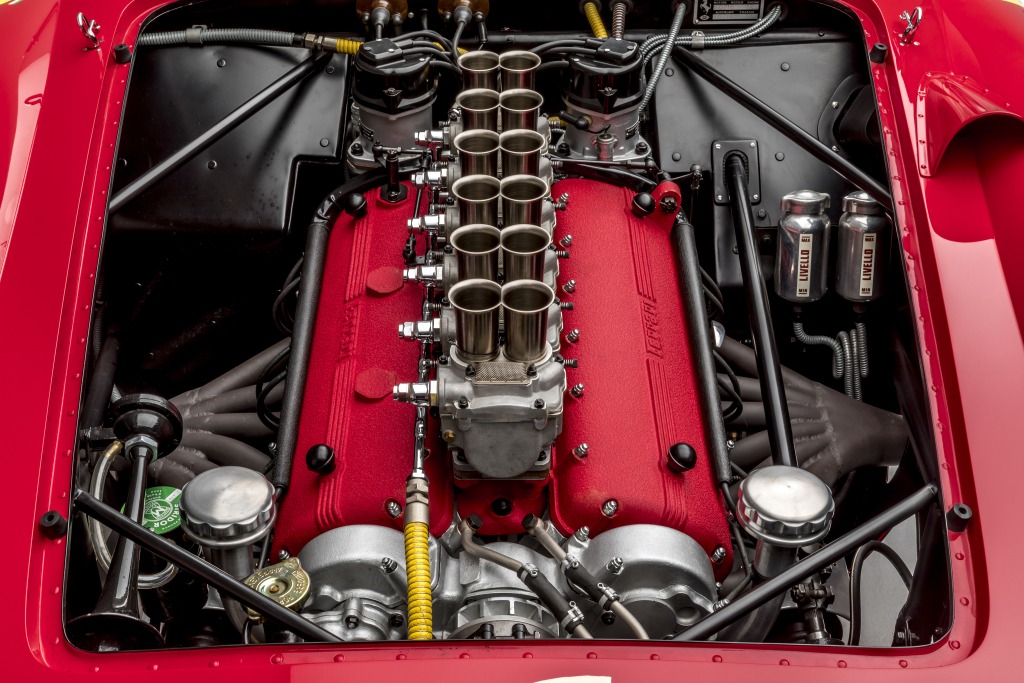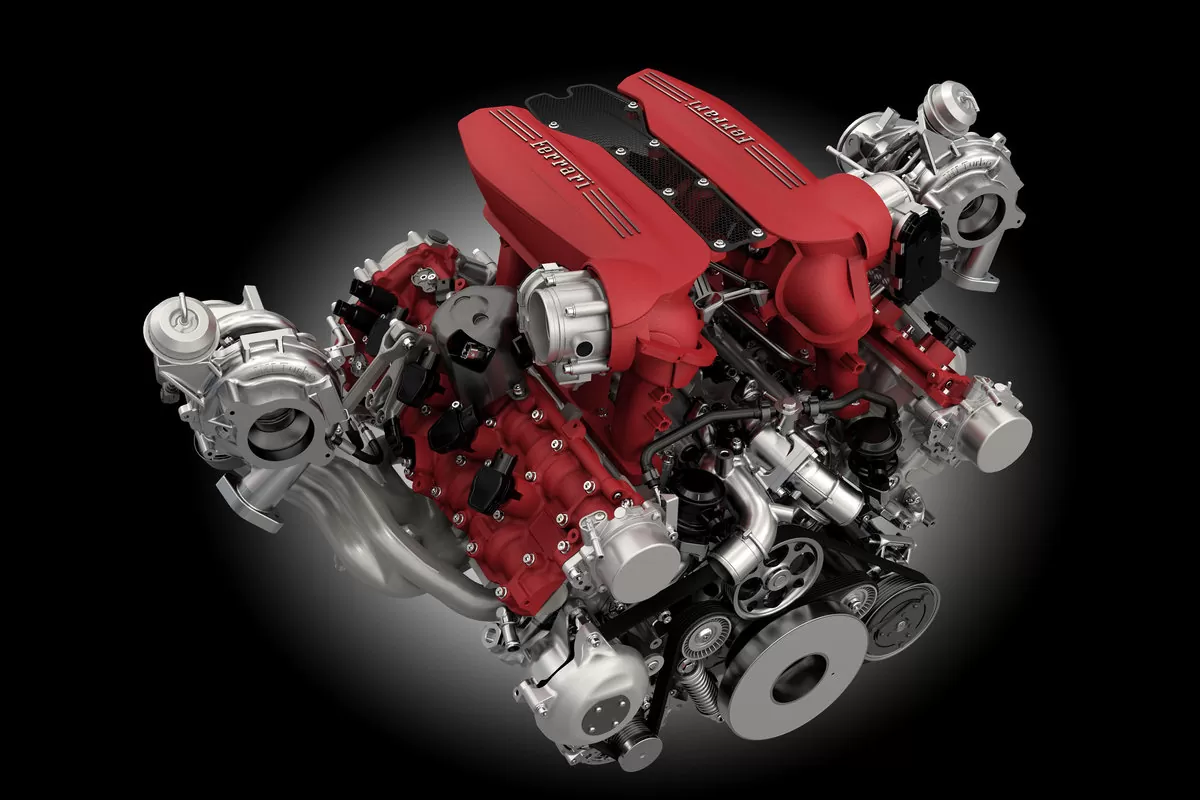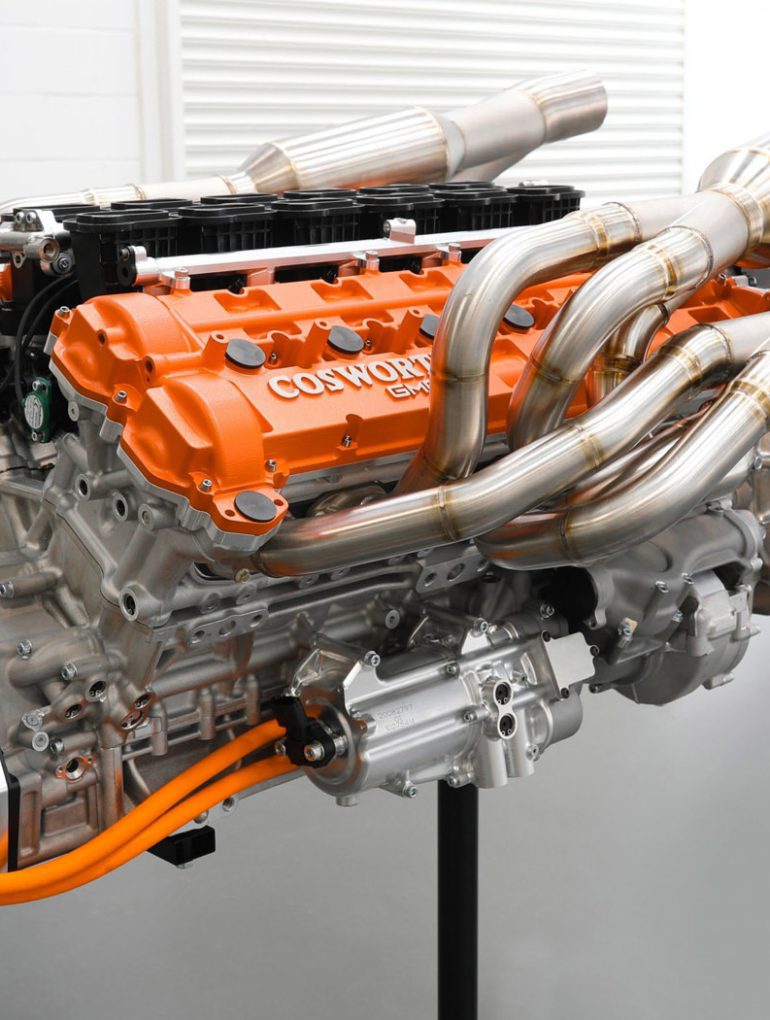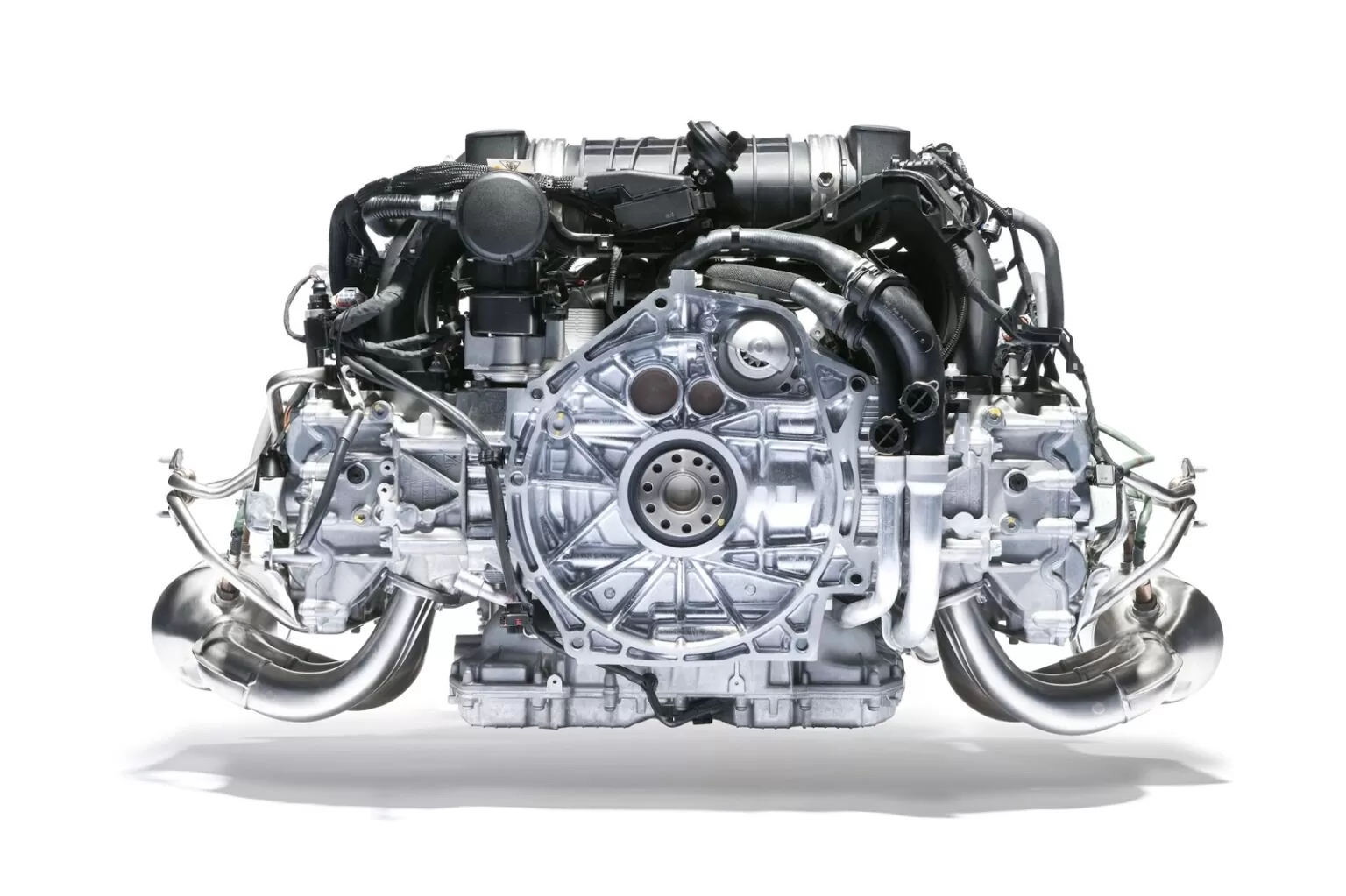
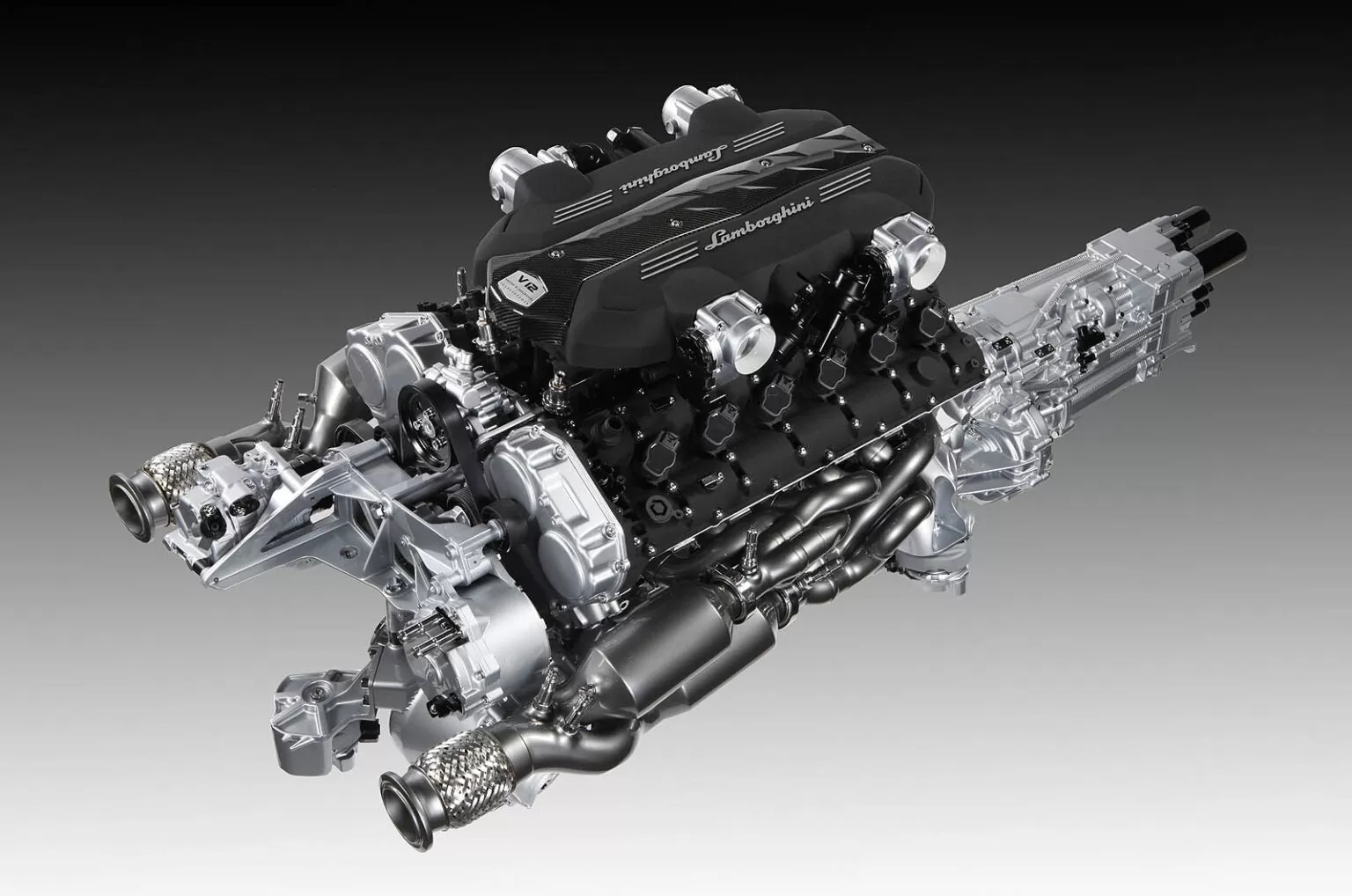
Fast driving does not forgive lazy maintenance, weak judgment, or parts chosen for bragging rights. The road exposes every shortcut the moment speed, heat, weight transfer, and driver input start arguing with each other. Smart drivers treat Engine Vault Solutions as a complete performance mindset, not a box of shiny upgrades. Power matters, but fast driving falls apart when cooling, traction, braking, and control do not rise with it. A car that pulls hard but cannot stay composed is not exciting for long; it is a warning light waiting for a road.
The better path starts with respect for the machine and the person holding the wheel. Reliable speed comes from balance: parts that work together, habits that protect the engine, and choices that suit the car’s real use. If you follow performance news, shop builds, or automotive guides through trusted publishing networks like specialist auto coverage, you already know one truth keeps showing up: the best setup is rarely the loudest one. It is the one that keeps delivering after the first hard pull, the fifth corner, and the long drive home.
Building Speed Without Breaking Trust
Fast driving begins before the throttle opens. A car may feel quick in a straight line, but true confidence comes from knowing the engine can handle heat, fuel demand, and load without turning every spirited drive into a gamble. The mistake many drivers make is chasing peak numbers first. Peak numbers look great on a screen. They do not help much when oil temperatures climb, tires fade, or the engine starts pulling timing halfway through a run.
Engine performance that survives real driving
Strong engine performance is not the same as maximum output. A high-power tune that only works for one clean pull can feel impressive for ten seconds, then disappointing for the rest of the drive. A better setup holds power across repeated use because fuel, air, cooling, and ignition timing stay inside a safe working range.
Think about a turbocharged daily driver used on open highways and mountain roads. A bigger turbo may add top-end speed, but the car can become slower where it matters if spool arrives too late. A smaller, well-matched turbo with better intercooling can make the car sharper, easier to place, and less tiring to drive. The stopwatch may agree even when the dyno crowd does not.
Fast driving rewards repeatable power. That means fresh plugs, clean filters, healthy coils, correct oil, and a cooling system that has not been ignored since the car left the factory. None of that sounds glamorous. Good speed rarely starts with glamour.
Fast driving solutions that protect the engine
Fast driving solutions should reduce stress before they add stress. That sounds backwards until you watch what happens when drivers install more power on worn mounts, old hoses, weak brakes, and tired tires. The car becomes louder, harsher, and less predictable, but not better.
A smart plan starts with inspection. Compression health, leak checks, oil condition, coolant strength, fuel pressure, and sensor readings tell you whether the engine deserves upgrades yet. Skipping this step is like training for a sprint while ignoring a bad knee. The problem will not vanish because you bought better shoes.
Practical fast driving solutions also include heat control. Upgraded radiators, oil coolers, intercoolers, and ducting may not impress casual onlookers, but they keep the car honest. Heat is the quiet thief of performance. It takes power first, then reliability, then your confidence.
Tuning the Car Around the Driver
Once the engine can be trusted, the next question is not “How much more power can it take?” The better question is “How much power can you use well?” Many fast cars feel worse after upgrades because the build serves a fantasy driver, not the person actually sitting behind the wheel. A fast car should make you calmer, not busier.
Vehicle acceleration that feels controlled
Vehicle acceleration becomes useful only when the chassis can translate it into clean movement. A car that surges, spins, and fights for grip may feel dramatic, but drama is not the same as pace. Smooth acceleration keeps the tires loaded, the steering honest, and the driver ahead of the car instead of reacting late.
Gearing matters here more than many drivers admit. A car with clever gearing and moderate power can feel faster than a stronger car trapped in the wrong part of its powerband. That is why two cars with similar horsepower can feel completely different on the same road. One flows. The other lunges.
Good vehicle acceleration also depends on throttle mapping. An aggressive pedal can trick your brain into thinking the car gained power, but it often makes fine control harder. A progressive throttle lets you feed power in, especially when the road surface changes. The best drivers are not stabbing at speed. They are shaping it.
Driving control starts with small corrections
Driving control is not a heroic save after the car gets messy. It is the quiet skill of preventing the mess in the first place. Steering angle, brake pressure, throttle timing, and vision all shape how the car behaves before the tires complain.
One common mistake is upgrading suspension until the car feels stiff enough to seem serious. Stiffness alone can ruin grip on uneven roads. The tire needs contact, and contact needs movement. A car that skips across broken pavement may feel sharp at low speed, then turn nervous when you ask more from it.
Better driving control often comes from alignment, tires, brake fluid, pads, and seat position before coilovers or power adders. A proper seating position lets your arms and feet work with less tension. That detail sounds small until you drive fast enough to notice how much bad posture steals from smooth input.
Matching Parts Instead of Collecting Them
The middle stage of any build is where money often gets wasted. Drivers start collecting parts that look good in isolation but do not speak the same language once installed together. Real performance is a conversation between systems. Airflow affects tuning. Tuning affects heat. Heat affects oil. Tires affect brakes. Brakes affect confidence. Confidence affects every choice you make at speed.
Engine performance needs a full support system
Engine performance gains should arrive with support parts, not after damage teaches the lesson. More air requires enough fuel. More boost requires cooling. Higher rpm requires oil control. Added torque demands mounts, clutch capacity, transmission health, and tires that can carry the load.
A naturally aspirated car offers a clean example. Intake and exhaust changes may sharpen response, but poor tuning can flatten the midrange. The car gets louder without becoming more useful. A careful tune, healthy fuel delivery, and attention to intake air temperature can make the same basic parts feel far more complete.
Hyper Engine Vault belongs in this stage of thinking because the phrase should stand for a protected performance core, not a random upgrade pile. The goal is to keep the engine inside a safe operating window while allowing it to breathe, rev, and respond with purpose. Anything else is noise with receipts attached.
Fast driving solutions for brakes, tires, and cooling
Fast driving solutions cannot stop at the engine bay. Tires decide how much speed becomes motion. Brakes decide how late you can stay committed. Cooling decides how long the car keeps giving you the same answer. Ignore one of these, and the whole build tilts.
A street car used for fast back-road driving may not need race pads that squeal, dust heavily, and work poorly when cold. It may need better fluid, quality street-performance pads, fresh rotors, and tires matched to road temperature. The right part is the one that fits the job, not the one with the harshest reputation.
Cooling deserves the same honesty. Big parts without airflow can disappoint. A radiator, oil cooler, or intercooler needs clean air entering and hot air leaving. Many drivers buy heat exchangers when they need ducting, sealing, or a better fan setup. Air is lazy; it goes where pressure lets it go. Make it work.
Turning Speed Into a Repeatable Habit
A fast car still needs a disciplined driver. This is the part nobody likes admitting because parts are easier to buy than restraint. Yet repeatable speed depends on routine: warm-up, tire checks, fluid checks, road reading, cooldown, and knowing when the conditions do not deserve your best effort. The fastest people usually look calm because they are not negotiating with chaos every second.
Vehicle acceleration belongs after preparation
Vehicle acceleration should come after the car is ready, not before. Cold oil, cold tires, crowded roads, and unknown surfaces all change what the car can safely give. A powerful engine does not cancel physics because the driver feels eager.
A useful habit is the first-drive scan. Listen for new noises. Feel for vibration. Watch temperature behavior. Test the brakes gently before asking for pace. This takes minutes, but it tells you whether the car is ready to be pushed or should be driven home with respect. Pride ruins more drives than weak horsepower ever did.
Preparation also means accepting the road’s mood. Dust, rain, heat, worn pavement, and traffic can turn a familiar route into a different problem. A driver who adjusts early looks boring from the outside. That is fine. Boring often arrives home with the car intact.
Driving control grows through feedback
Driving control improves when you pay attention to what the car tells you after each run. Tire wear patterns, brake smell, fluid temperatures, and steering feel all leave clues. The car is not silent; most drivers are not listening closely enough.
Track days, advanced driving schools, and legal closed-course practice offer the cleanest feedback. Public roads are too messy for testing limits, and they leave no room for ego. A closed course lets you learn how the car behaves under braking, rotation, and throttle without gambling with strangers.
Progress comes from changing one thing at a time. New tires and new suspension and new tune on the same weekend may feel exciting, but you will not know which change helped or hurt. Patience is not slow. It is how fast drivers stop wasting money.
Conclusion
Fast driving should feel sharp, repeatable, and earned. The goal is not to build a car that scares passengers for one pull, then spends the next month chasing leaks, heat soak, and worn parts. The better goal is a machine that wakes up cleanly, responds honestly, and gives you the same confidence at the end of a drive that it gave at the start.
That is where Engine Vault Solutions become more than a phrase. They point toward a smarter way to think about speed: protect the engine, match the parts, respect the tires, improve the driver, and stop worshiping numbers that do not hold up on the road. Real pace has a calmness to it. You feel it in the brake pedal, the steering wheel, the throttle, and the way the car settles after being pushed.
Choose one weak link in your car this week and fix it before adding power. Speed built on discipline lasts longer, feels better, and teaches you more every time you drive.
Frequently Asked Questions
What are the best engine upgrades for fast driving?
Start with maintenance, cooling, tires, brakes, and a safe tune before chasing bigger power. A healthy engine with stable temperatures and clean response will feel faster on real roads than a high-output setup that overheats, hesitates, or loses grip under load.
How do fast driving solutions improve reliability?
They reduce strain across the whole car instead of adding power alone. Better cooling, stronger braking, proper tires, and clean tuning help the engine work inside safer limits, especially during repeated acceleration, hard braking, and long spirited drives.
Why does engine performance drop after repeated hard driving?
Heat buildup usually causes the drop. Intake air gets hotter, oil thins, coolant struggles, and the engine management system may reduce timing to protect the motor. Better cooling and smarter tuning help keep power more consistent.
How can vehicle acceleration feel faster without adding horsepower?
Sharper throttle response, better tires, lighter wheels, improved gearing, and reduced wheelspin can make a car feel quicker. Clean power delivery often beats raw output because the car transfers speed to the road with less waste.
What is the safest way to improve driving control?
Begin with tires, alignment, brake condition, and seating position. These changes improve feedback and reduce sloppy inputs. Driver training adds even more value because better control comes from timing, vision, and smooth movements, not stiff parts alone.
Are performance tunes safe for daily driving?
A performance tune can be safe when it matches the engine’s condition, fuel quality, cooling capacity, and real use. Aggressive tuning on a tired engine is risky. A conservative tune from a trusted specialist usually serves daily drivers better.
How often should a fast-driving car be inspected?
Check fluids, tire pressure, brakes, and visible leaks before any hard drive. Do a deeper inspection every few weeks if the car sees regular spirited use. Heat, vibration, and load reveal weak parts faster than normal commuting.
What matters more for fast driving, power or grip?
Grip matters more in most real situations. Power helps only when the car can put it down, slow back down, and stay stable through direction changes. Tires, brakes, and control often cut more time and stress than extra horsepower.