Engines rarely fail in one dramatic moment; they usually lose strength through small habits nobody notices until the drive feels heavier, louder, and more expensive. That is why Hyper Engine Vault thinking matters: it treats engine care as a living routine, not a panic move after warning lights appear. Better engines come from sharper attention to heat, oil behavior, airflow, fuel quality, and the way a vehicle responds under real driving pressure. A driver who understands those signals can catch weak points early and avoid the slow damage that hides behind normal daily use. Trusted automotive visibility also depends on how information reaches readers, which is why a strong automotive content network can help useful maintenance ideas travel beyond one garage, one blog, or one brand. The real goal is not to chase mechanical perfection. The goal is to make engine care upgrades practical enough that you can apply them before the engine starts asking for mercy.
Hyper Engine Vault Changes Begin With How You Read Engine Behavior
A better engine does not start with a new part; it starts with better listening. Most drivers treat sound, smell, heat, vibration, and throttle response as background noise, then act surprised when a repair bill lands like a brick. Engine performance changes often begin weeks before the dashboard admits anything is wrong, and the driver who notices patterns early has the advantage.
Why small engine signals matter before warning lights appear
A faint ticking noise on a cold start can mean more than age. It may point toward oil pressure delay, worn components, or a lubrication routine that no longer fits the engine’s condition. The mistake is waiting until the sound grows into a knock, because by then the engine has already written part of the invoice.
Better engines often come from boring observation. A driver who knows how the vehicle sounds after sitting overnight, how it smells after a long climb, and how it pulls at low speed can spot change without tools. That kind of attention costs nothing, yet it often saves the most money.
The counterintuitive part is that smoothness can hide trouble. Some engines keep running politely while heat, residue, and pressure imbalance slowly wear down internal parts. Calm behavior does not always mean healthy behavior, so driving reliability depends on reading weak signals before they become loud ones.
How driving habits expose hidden engine stress
Your engine tells the truth under load. A vehicle that feels normal on flat roads may hesitate on hills, run warmer in traffic, or lose response when the air conditioning is on. Those moments reveal stress better than a casual drive around the block.
Engine care upgrades should begin with the conditions you actually drive in. A city commuter who crawls through traffic every day needs a different maintenance rhythm than someone who drives long highway stretches. Short trips, stop-start movement, and long idle time punish oil, cooling parts, and intake cleanliness in ways many owners underestimate.
A grounded example makes this clear. A driver who travels five miles twice a day may think the engine has an easy life, but the oil may rarely reach full working temperature long enough to burn off moisture. That quiet routine can age the engine faster than a longer, steadier commute.
Build Better Engines Through Cleaner Fluids and Smarter Heat Control
Once you understand the engine’s behavior, the next step is protecting the systems that carry heat and friction away from moving parts. Oil, coolant, and airflow do not feel exciting, but they decide whether an engine ages with control or slides into roughness. Better engines are not born from flashy changes; they survive because basic systems stay clean, stable, and matched to the way the vehicle works.
Why oil choice should match engine age and workload
Oil is not a magic liquid you replace by calendar habit alone. It changes under heat, pressure, fuel dilution, short trips, dusty roads, and long idle periods. A car that spends most of its life in traffic may need closer oil attention than a car with higher mileage but easier highway use.
Engine performance changes often become noticeable when old oil stops protecting parts under heat. The engine may sound harsher, respond slower, or feel less settled after hard driving. That does not always mean a major fault; sometimes it means the oil has crossed from useful protection into tired liquid that needs replacing.
The overlooked detail is filter quality. Fresh oil through a weak filter is like clean water through a dirty cup. A good filter supports driving reliability because it helps keep abrasive particles from cycling through tight engine spaces where small wear becomes permanent wear.
Cooling system care is engine protection, not comfort
Many drivers think about coolant only when the temperature gauge climbs. That is too late. The cooling system controls the environment every gasket, seal, hose, and metal surface lives in, and poor heat control slowly turns strong engines into fragile ones.
A radiator with partial blockage may not fail during light use. It may wait until summer traffic, a mountain road, or a full passenger load before showing its weakness. That delayed failure is what makes heat damage so cruel; it often appears when the engine has the least room to recover.
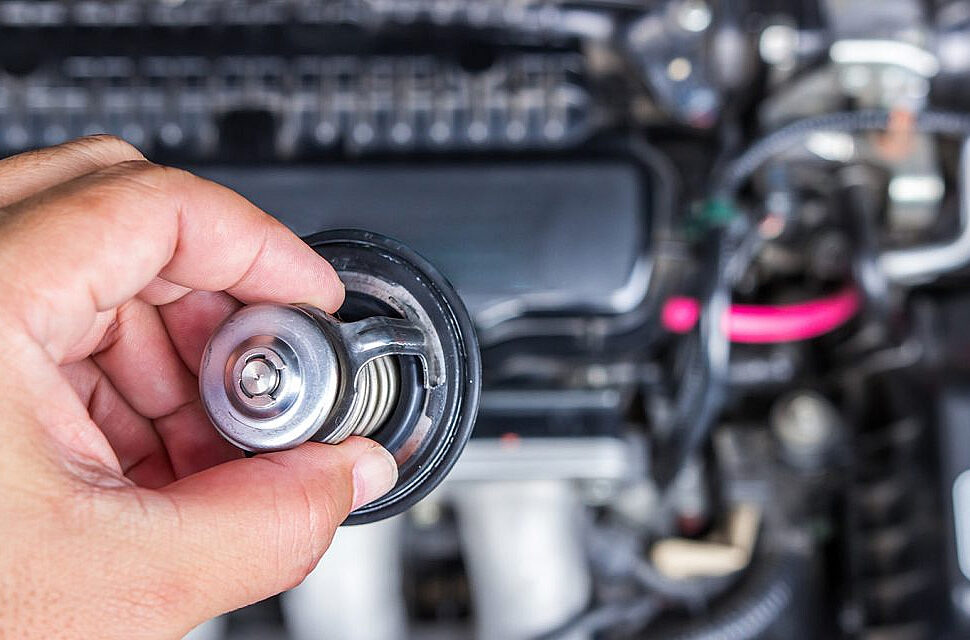
Engine care upgrades should include coolant condition, hose firmness, radiator cap health, fan operation, and thermostat behavior. None of these parts feel dramatic by themselves. Together, they decide whether the engine stays calm under pressure or cooks itself while the driver assumes everything is fine.
Improve Fuel, Airflow, and Combustion Without Chasing Myths
After heat and lubrication, combustion quality shapes how cleanly the engine turns fuel into motion. This is where many owners get distracted by miracle claims, shiny bottles, and advice from people who mistake noise for power. Better engines respond to balance, not gimmicks, and that balance comes from clean air, clean fuel delivery, and ignition parts that fire with consistency.
How clean airflow changes throttle response
Air enters the engine before power happens, so restriction at the intake can dull the whole drive. A dirty air filter does not always make the vehicle stall or surge. More often, it creates a slow loss of response that the driver accepts as age.
Replacing an air filter at the right time is not glamorous, but it can support smoother acceleration and steadier combustion. The same goes for intake buildup, especially in engines known for carbon deposits. When airflow becomes uneven, the engine management system may compensate, but compensation is not the same as health.
A useful test is how the vehicle reacts during gentle acceleration from low speed. Hesitation, roughness, or a flat feeling can point toward air, fuel, or ignition issues. That first clue should guide inspection, not trigger random part swapping.
Why fuel quality matters more than fuel promises
Fuel does more than burn. It affects deposits, injector spray patterns, cold starts, and long-term combustion cleanliness. Cheap fuel from unknown or poorly maintained stations can create problems that do not appear after one tank but build slowly across months.
Driving reliability improves when the fuel system stays predictable. That means using fuel suited to the engine’s requirement, avoiding stale fuel, and paying attention to changes after filling up. A sudden rough idle after a new tank may say more about fuel quality than about the engine itself.
The counterintuitive insight is that premium fuel does not improve every engine. An engine designed for regular fuel may not gain power from higher octane, and paying more can become a ritual with no return. The smarter move is to follow the engine’s requirement, then keep the fuel path clean and consistent.
Make Maintenance Decisions Based on Timing, Not Panic
Parts do not fail on your schedule, but maintenance can still create order. The difference between smart ownership and expensive ownership often comes down to timing. Engine care upgrades work best when they happen before symptoms become emergencies, and that requires a plan built around use, not guesswork.
How to plan service around real driving conditions
A printed maintenance schedule gives a baseline, not a full picture. Dust, heat, short trips, towing, traffic, poor roads, and long idle time can all shorten service intervals. A vehicle in gentle use may tolerate standard timing, while a hard-working engine may need earlier attention.
Engine performance changes should guide your service notes. Write down when the engine feels weaker, when fuel use rises, when idle quality changes, or when heat behavior shifts. This small record can help a mechanic diagnose patterns instead of chasing isolated complaints.
A practical example is brake-and-go city driving in summer. The engine may spend more time hot and stationary than moving freely, which stresses cooling, oil, belts, and electrical fans. Mileage alone will not tell that story, but your driving pattern will.
Why cheap delays often become expensive repairs
Skipping small service feels like saving money until the engine collects interest. An old belt, weak hose, tired plug, dirty filter, or overdue fluid can turn from a minor cost into a chain reaction. Engines rarely punish neglect with fairness.
The better approach is to rank work by risk. Anything tied to lubrication, cooling, timing, fuel delivery, or ignition stability deserves attention before comfort features or cosmetic repairs. That priority keeps money aimed at the parts that protect the engine’s core.
Hyper Engine Vault habits work because they force earlier thinking. You stop asking, “Can this wait?” and start asking, “What happens if this fails under heat, speed, or load?” That one question changes maintenance from guesswork into judgment.
Conclusion
Better engines are built through steady attention, not dramatic last-minute fixes. The owner who watches behavior, protects fluids, controls heat, keeps combustion clean, and plans service around actual driving conditions will almost always spend less than the owner who reacts only when something breaks. Hyper Engine Vault care is not about obsessing over every sound or buying every product on a shelf. It is about respecting the engine as a system where small weaknesses travel fast when ignored. Start with one practical step this week: check your oil condition, coolant level, air filter, and recent driving pattern, then schedule the one service item that carries the highest risk. Engines reward the driver who acts early, and they punish the driver who waits for proof.
Frequently Asked Questions
What are the best engine care upgrades for better engines?
Start with oil quality, a strong filter, clean coolant, a fresh air filter, and spark plugs suited to the vehicle. These engine care upgrades protect the systems that affect heat, friction, airflow, and combustion before deeper damage begins.
How do engine performance changes show up during daily driving?
You may notice slower acceleration, rough idle, higher fuel use, stronger vibration, harder starts, or unusual engine heat. Small engine performance changes often appear during hills, traffic, cold starts, or air conditioning use before warning lights appear.
Why does driving reliability depend on engine maintenance timing?
Driving reliability depends on service timing because worn fluids, weak hoses, dirty filters, and tired ignition parts often fail under pressure. Maintenance done early keeps stress from turning into breakdowns during heat, traffic, or long trips.
How often should drivers check fluids for better engines?
Check oil and coolant at least monthly, and inspect them before long drives. Better engines need stable lubrication and heat control, so fluid condition matters as much as fluid level, especially in hot weather or stop-start traffic.
What engine care upgrades help older vehicles most?
Older vehicles benefit most from oil service, coolant inspection, spark plug replacement, belt checks, hose checks, and air intake cleaning. These engine care upgrades address age-related wear without wasting money on parts that do not affect engine health.
Can fuel quality affect engine performance changes?
Fuel quality can affect idle smoothness, injector cleanliness, starting behavior, and throttle response. Poor fuel may not damage an engine instantly, but repeated use can create deposits and weak combustion patterns that feel like gradual power loss.
What habits improve driving reliability in city traffic?
Avoid long unnecessary idling, service oil sooner, monitor coolant health, replace clogged filters, and pay attention to fan operation. City traffic creates heat without steady airflow, so driving reliability depends on cooling and lubrication staying ahead of stress.
How can drivers prevent costly engine repairs early?
Track changes in sound, smell, heat, fuel use, and throttle response. Fix small issues tied to oil, coolant, belts, filters, plugs, and hoses before they spread. Early attention costs less than waiting until the engine forces a repair.