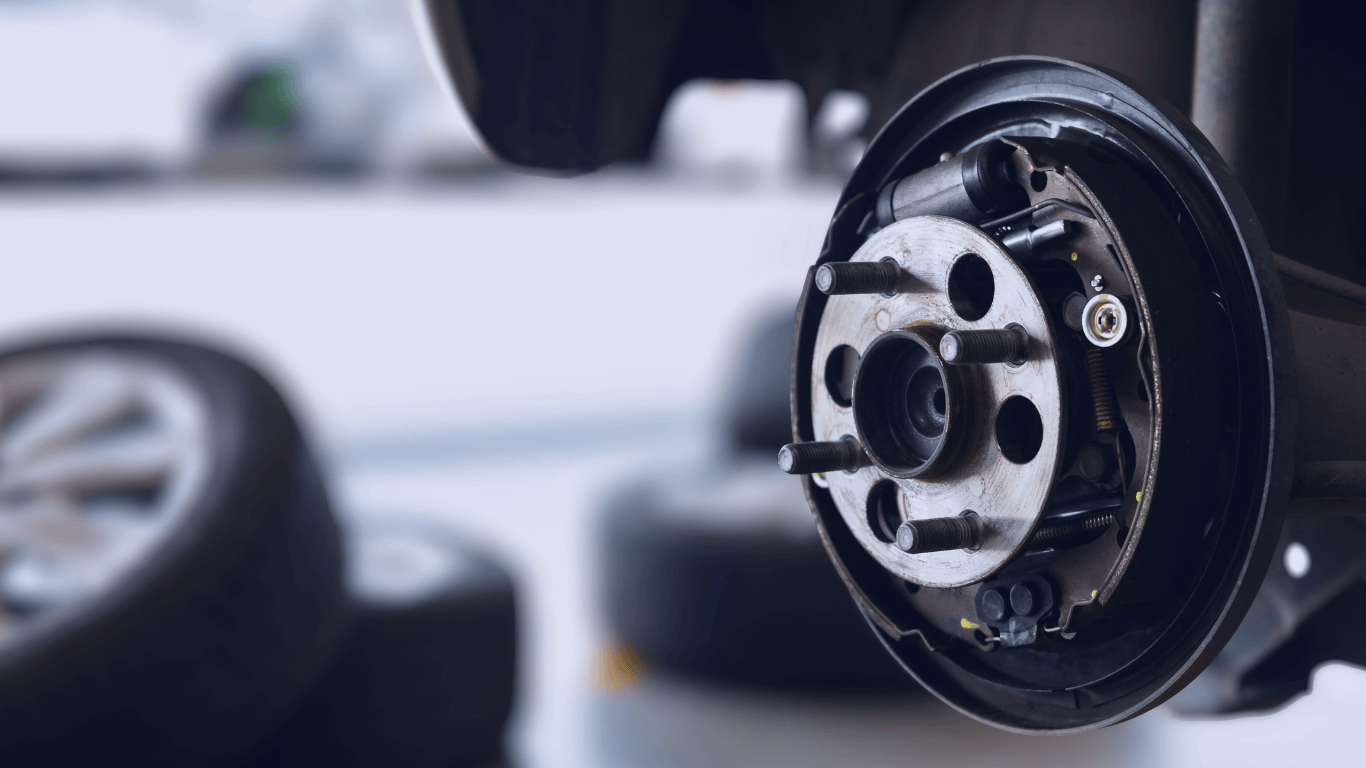
A wheel rarely leaves a vehicle without giving the driver a few chances to pay attention first. A loose lug nut can start as a faint shake, a dull knock, or a small steering change that feels easy to blame on bad pavement. That is what makes the problem dangerous. It often sounds ordinary until the wheel is already moving against the hub.
Across the USA, drivers hit potholes, curb edges, road salt, tire shop mistakes, and long highway miles every week. Those conditions punish wheel hardware more than many people realize. For drivers who care about safer maintenance habits and smarter ownership decisions, trusted automotive awareness resources can help turn small clues into faster action.
The warning signs are not hard to spot once you know their rhythm. A loose wheel does not behave like a worn tire, and it does not complain like a bad brake pad. It has its own pattern. Learn that pattern early, and you may save the wheel, the studs, the hub, and the people riding beside you.
Loose Lug Nut Warning Signs Start Before the Wheel Feels Dangerous
Early wheel trouble usually feels too minor to scare anyone. That is the trap. A vehicle can still drive, turn, and brake while one or more nuts are losing clamping force, which means the first clues often arrive as small changes in sound and feel.
Why wheel vibration can start soft and still matter
A mild wheel vibration at 35 to 50 mph deserves attention when it appears after tire service, brake work, or a recent wheel change. The shake may feel light through the steering wheel or seat, almost like the road surface changed under you. Drivers often blame tire balance first, and sometimes they are right, but timing tells a bigger story.
A tire balance issue usually feels steady at a certain speed range. Wheel hardware movement can feel less consistent because the wheel is not sitting flat against the hub with the same pressure every rotation. That tiny shift creates a rhythm your hands can feel before your ears catch up.
A good example is a driver leaving a tire rotation in Ohio, then noticing a faint tremble on the interstate ramp ten minutes later. The car may not pull, and the dashboard may show nothing. Still, that shake after wheel service should send you to a safe shoulder or nearby shop, not another 40 miles down I-71.
Why loose wheel symptoms do not always feel dramatic
Many loose wheel symptoms begin quietly because modern vehicles hide noise well. Thick insulation, heavier wheels, and smooth suspension can muffle the first signs. A truck or SUV may keep feeling stable while the mounting surface is already under stress.
The surprising part is that a missing dramatic warning does not mean the problem is mild. A wheel depends on even clamping force, not luck. Once that pressure drops, each stop, turn, and bump gives the wheel another chance to work against the studs.
Drivers sometimes say, “It drove fine yesterday.” That may be true. The issue can build between one commute and the next, especially after a lug was cross-threaded, under-tightened, or never rechecked after wheel installation. Quiet problems do not stay polite for long.
Sounds, Shakes, and Steering Clues Tell Different Stories
Noise gives you one kind of warning. Steering gives you another. The smartest move is to read them together, because a loose wheel can mimic other faults until you connect the pattern.
What tire wobble feels like from behind the wheel
Tire wobble often feels like the vehicle is stepping slightly side to side instead of rolling cleanly forward. At low speed, you may sense a lumpy rotation. At higher speed, the motion can turn into a shake that feels sharper than a standard tire imbalance.
A wobbling wheel can also create a strange confidence gap. The vehicle still responds when you steer, yet it feels less settled than it did earlier. That small loss of trust matters. Cars communicate through feel, and a wheel that no longer sits tight will change the way the whole corner of the vehicle behaves.
Take a pickup leaving a home garage after a winter tire swap in Michigan. The first mile around the neighborhood feels normal. Then the truck hits 45 mph, and the front end starts pulsing. That is not the time to “test it” on the freeway. Slow down, stop safely, and inspect before the wheel movement grows.
How clicking, knocking, or grinding sounds change the risk
A clicking sound near one wheel can mean the wheel is shifting slightly on the studs. A dull knock can point to more movement under load. Grinding is worse because metal surfaces may already be rubbing in places that should stay locked together.
Sound location matters. If the noise changes when you turn left or right, pay attention to which side loads harder. A loose wheel can complain more when the vehicle weight shifts onto it. That clue can help a technician narrow the corner faster.
The counterintuitive point is simple: the loudest noise is not always the first serious stage. Some wheels stay quiet until the movement becomes obvious. Others make noise early. You should not wait for a louder warning, because the next stage may not be a warning at all.
Loose Lug Nut Problems Often Begin After Normal Maintenance
Most people picture wheel trouble after a crash, a curb hit, or a pothole. Those events matter, but ordinary maintenance causes plenty of trouble too. The danger often starts when a wheel was removed and reinstalled without the right care.
Why lug nut torque matters more after tire service
Correct lug nut torque is not about tightening until it “feels enough.” It is about applying the right clamping force so the wheel sits evenly against the hub. Too little force lets the wheel move. Too much force can stretch studs or damage threads.
A tire shop in Texas may service dozens of vehicles before lunch. Most do good work, but mistakes happen when tools are rushed, torque sticks are trusted blindly, or final hand checks get skipped. That is why many shops tell drivers to recheck wheel hardware after a short distance, especially after rotations or new tire installs.
This is also why a cheap habit beats an expensive repair. After wheel service, listen harder for the first 50 to 100 miles. Feel for new vibration. Walk around the vehicle before long drives. You are not second-guessing the technician; you are protecting the part of the car that has no backup system.
How road salt, corrosion, and damaged studs hide the real issue
Rust can make a wheel seem tight when the clamping force is uneven. In states like New York, Pennsylvania, Wisconsin, and Illinois, corrosion builds around hubs, studs, and wheel faces. A wheel may not seat flat if debris or rust scale sits between the mating surfaces.
Damaged studs add another layer. A nut may thread on, but bad threads can prevent proper tightening. The nut feels secure to the hand, yet it does not hold the wheel with the pressure the vehicle needs.
A careful technician looks beyond the nut itself. They inspect the seat shape, stud condition, hub face, and wheel holes. That deeper check matters because replacing one nut will not fix a mounting surface that is dirty, damaged, or warped from previous movement.
What To Do When the Warning Signs Appear
A loose wheel problem calls for calm action, not panic. The goal is to reduce load, avoid sudden moves, and get the vehicle checked before the hardware fails. Your response can decide whether this stays a small repair or becomes a roadside emergency.
How to respond safely when loose wheel symptoms appear
Slow down smoothly when loose wheel symptoms show up on the road. Avoid hard braking unless traffic forces it. Grip the wheel with both hands, signal early, and move to a safe shoulder, parking lot, or side street away from fast traffic.
Never keep driving at highway speed because the vehicle still feels manageable. Wheel movement can worsen fast once the nuts lose enough grip. The stress shifts to the studs, and those studs were not designed to carry that kind of bending force.
A simple roadside check can reveal obvious trouble, but do not crawl near traffic or place yourself in danger. Look for missing nuts, uneven gaps, shiny metal around the wheel holes, or a wheel that appears tilted. If anything looks wrong, call roadside assistance or a tow truck.
What a proper inspection should include before driving again
A proper inspection should confirm more than whether the nuts feel tight. The wheel should come off if there are signs of movement, noise, damaged holes, or metal dust. The hub face, studs, lug seats, and wheel mounting surface all need a close look.
A shop should also tighten the wheel in the right pattern and to the correct spec from the vehicle maker. Guesswork is not enough here. For broader tire and wheel safety habits, the tire safety guidance from NHTSA is worth keeping handy before road trips or seasonal tire changes.
Keep a small wheel-safety checklist in your glovebox after rotations, brake jobs, or spare tire use. Note the date, mileage, shop name, and any new sounds you noticed afterward. That record helps you catch patterns before they turn into roadside drama.
A driver who treats a loose lug nut as a stop-now problem is not being dramatic. They are reading the vehicle correctly. Wheels rarely fail because one tiny thing went wrong; they fail because several small warnings were allowed to stack up.
The best habit is simple: after any wheel work, trust your senses for the next few drives. Feel the steering. Listen near curbs and slow streets. Watch for shake at speed. A few minutes of attention can prevent a repair bill, a damaged hub, or a crash that never needed to happen.
A loose lug nut should never become a lesson learned on the shoulder of a busy road. Treat the first warning as the final invitation to act, then get the wheel checked before the vehicle gets another mile to argue back.
Frequently Asked Questions
What are the first signs of a loose lug nut while driving?
Early signs include new vibration, clicking near one wheel, a dull knocking sound, steering shake, or a feeling that one corner of the vehicle is unsettled. The signs often appear after tire rotation, brake work, spare tire use, or a recent wheel installation.
Can a loose lug nut cause wheel vibration at highway speed?
Yes. Wheel vibration can happen when the wheel no longer sits evenly against the hub. The shake may grow with speed because the wheel’s small movement repeats faster. Stop safely and have the wheel checked before continuing at highway speed.
Is tire wobble always caused by loose wheel hardware?
No. Tire wobble can also come from tire damage, bent wheels, worn suspension parts, or bad bearings. Still, wheel hardware should be checked first when the wobble appears after tire service or when you hear clicking, knocking, or metal movement.
How far can you drive with loose lug nuts?
You should not keep driving once you suspect the nuts are loose. Move only as far as needed to reach a safe place away from traffic. Continuing can damage studs, widen wheel holes, ruin the hub, or allow the wheel to separate.
Why do lug nuts come loose after tire rotation?
They can loosen when the wheel was not tightened to the correct spec, the hub face had rust or debris, the threads were damaged, or the wheel did not seat flat. Rechecking after service helps catch problems before movement damages parts.
Can over-tightened lug nuts cause problems too?
Yes. Over-tightening can stretch wheel studs, damage threads, warp brake rotors, or make future removal harder. Proper lug nut torque matters because the goal is correct clamping force, not maximum force. A torque wrench should match the vehicle maker’s spec.
What should I check after changing a spare tire?
Check that every nut is present, seated evenly, and tightened in the correct pattern. Drive slowly at first, listen for clicking or knocking, and avoid highway speeds if anything feels off. A spare tire installation should be inspected soon after use.
Should I call a tow truck for loose wheel symptoms?
Call a tow truck if you hear knocking, see missing nuts, notice strong shaking, or suspect the wheel has moved on the hub. Roadside towing costs far less than replacing damaged studs, hubs, wheels, or repairing collision damage after a wheel failure.