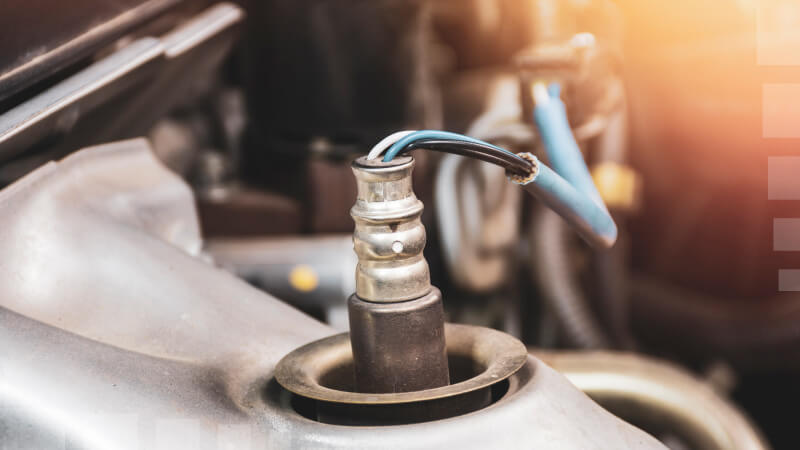
Gas mileage rarely falls off a cliff for no reason. Most drivers blame fuel quality, tire pressure, or an aging engine before they think about oxygen sensor symptoms hiding under the hood. That tiny sensor has a loud job: it helps the engine decide how much fuel to burn. When it starts lying, your car may run rich, waste gas, smell strange, idle poorly, and trigger a warning light that too many Americans ignore until the repair bill grows. For drivers tracking maintenance costs, fuel usage, and local repair options through trusted auto ownership resources like vehicle care planning, this problem deserves early attention. A bad reading can turn a normal commute into a weekly gas station habit. Worse, the car may still feel drivable, so the damage slips into the background. That is what makes this issue expensive. The engine is not always shouting. Sometimes it is whispering through mileage, smell, hesitation, and small changes you only notice when you stop brushing them off.
Bad Oxygen Sensor Symptoms Start With Small Fuel Changes
A failing sensor usually announces itself through money before noise. You may not hear a knock, feel a hard shake, or see smoke right away. Instead, you notice the fuel gauge dropping faster on the same route you drive every week.
Why Poor Fuel Economy Shows Up Before Bigger Trouble
Poor fuel economy often appears because the engine control module receives the wrong oxygen reading from the exhaust stream. If the sensor reports too much oxygen, the computer may add fuel that the engine does not need. That extra fuel does not make the car stronger. It mostly disappears through waste, heat, and dirty exhaust.
A daily example is easy to miss. A driver in Ohio may commute 22 miles each way, use the same gas station, and keep the same driving habits, yet suddenly needs a fill-up by Thursday instead of Saturday. Nothing feels dramatic. The car starts, runs, and reaches highway speed, but the math has changed.
The counterintuitive part is that the engine may feel smoother for a while when it runs rich. Extra fuel can hide roughness for a short time. That false smoothness tricks owners into waiting, even though the system is already spending money every mile.
How Fuel Trim Changes Affect Everyday Driving
Fuel trim is the computer’s way of correcting the air and fuel mix. When oxygen readings drift, the computer keeps adjusting, then adjusting again. That constant correction can make the car feel inconsistent from one day to the next.
You may notice the engine reacts differently in stop-and-go traffic than it does on the highway. Around town, the car may feel heavy when leaving a red light. On the freeway, it may seem fine until you check the trip meter and see the fuel loss.
This is where many drivers make the wrong call. They replace air filters, buy premium gas, or blame winter fuel blends. Those things can matter, but they do not explain a steady pattern when the real cause sits in the exhaust path sending bad information upstream.
Warning Lights, Smells, and Idle Changes Tell a Bigger Story
Fuel use gets your attention, but the next clues usually involve the senses. A bad sensor can create changes you can see, smell, or feel. The trick is reading those clues as connected, not separate little annoyances.
What the Check Engine Light Means With Sensor Trouble
The check engine light does not always mean disaster, but it should never be treated like decoration. When an oxygen sensor falls out of range, the onboard diagnostic system may store a trouble code. Many U.S. parts stores can scan that code, but the code still needs careful interpretation.
A code pointing to a sensor circuit does not always mean the sensor itself is the only problem. Exhaust leaks, wiring damage, vacuum leaks, or a failing catalytic converter can confuse the reading. Good diagnosis matters because guessing parts gets expensive fast.
Still, when the check engine light appears alongside poor fuel economy and rough running, the sensor becomes a prime suspect. That pattern carries more weight than any single warning on its own. Cars speak in clusters, not perfect sentences.
Why Exhaust Smell and Rough Idle Should Not Be Ignored
A rich-running engine can leave a strong fuel smell near the tailpipe. Some drivers describe it as sharp, heavy, or unusually raw after startup. That smell means the engine may be sending unburned fuel through the exhaust, which is bad news for both mileage and emissions.
Rough idle can arrive at the same time. The engine may pulse slightly at a stoplight, dip below its normal idle speed, or feel like it is breathing unevenly. It may not stall, but it stops feeling settled.
Here is the uncomfortable truth: a rough idle does not need to be violent to matter. Small shakes can point to a control problem long before a breakdown. Waiting for the car to act worse is often how a simple O2 sensor replacement turns into catalytic converter stress.
Oxygen Sensor Symptoms Can Damage More Than Gas Mileage
The fuel bill hurts first, but the bigger risk sits downstream. When the air and fuel mix stays wrong long enough, other parts carry the penalty. That is why this repair belongs in the “handle soon” category, not the “maybe next month” pile.
How a Rich Mixture Can Stress the Catalytic Converter
The catalytic converter is designed to clean exhaust, not digest constant fuel waste. When a rich mixture sends unburned fuel into the exhaust, converter temperatures can rise. Over time, that heat can damage the internal material that makes the converter work.
This matters because converter replacement often costs far more than sensor service. In states with emissions testing, such as California, New York, Texas, and Illinois metro areas, a converter problem can also block registration renewal until the issue is fixed.
The surprising part is that oxygen sensor symptoms may start as a cheap problem and mature into an expensive one through delay alone. The sensor may be small, but its bad data can push the whole exhaust system into a bad routine.
Why Emissions Tests Can Reveal Hidden Sensor Problems
Many drivers first learn about a sensor problem during an emissions inspection. The car may feel normal, but the test catches high emissions or readiness monitor issues. That feels sudden, even though the fault may have been building quietly.
A vehicle can also fail if the computer has not completed its drive cycle after codes were cleared. This happens when someone resets the check engine light right before inspection without fixing the root cause. The light may stay off for a short trip, then return after the monitor runs.
That shortcut almost never pays. A proper repair followed by normal driving gives the system time to confirm the fix. A rushed reset only delays the truth, and the inspection station will usually expose it.
Smart Diagnosis Saves Money Before Replacement
Replacing a sensor can be the right move, but diagnosis should come first. Modern vehicles may have more than one oxygen sensor, and guessing the wrong one wastes money. A thoughtful approach keeps the repair focused.
When O2 Sensor Replacement Makes Sense
O2 sensor replacement makes sense when scan data, mileage symptoms, and related checks point in the same direction. A technician may look at live sensor readings, fuel trim numbers, wiring condition, and exhaust leaks before recommending the part. That process beats blind replacement every time.
Location matters too. Upstream sensors help control the air and fuel mix, while downstream sensors usually monitor catalytic converter performance. Replacing the wrong sensor can leave the same drivability problem in place.
For a real-world case, think of a 2015 Toyota Camry with a check engine light and falling mileage. If the upstream sensor responds slowly and fuel trims show correction problems, replacement may be sensible. If the code points downstream with no fuel trim issue, the diagnosis moves in a different direction.
What Drivers Should Check Before Paying the Shop
A driver can do a few simple checks before booking repairs. Look for loose fuel caps, obvious exhaust leaks, damaged wiring near the sensor, and recent work that may have disturbed a connector. Those details help the shop find the issue faster.
Good records also help. Write down when the mileage dropped, whether the check engine light flashes or stays steady, and whether the smell appears cold, hot, or all the time. Specific notes beat vague complaints at the service counter.
The best move is practical, not dramatic. If the car runs poorly, smells rich, loses mileage, or shows a check engine light, schedule diagnosis before the problem grows teeth. Bad oxygen sensor symptoms rarely fix themselves, and every delayed tank of gas quietly votes for a bigger repair.
Conclusion
A car does not need to leave you stranded to cost you money. Sometimes the smarter warning is a fuel gauge that falls too fast, a tailpipe smell that was not there last month, or an idle that feels a little off at every red light. Those small signals deserve respect because the oxygen sensor helps control one of the engine’s most expensive habits: how much fuel it burns. When the reading turns false, the engine keeps obeying bad instructions until someone steps in. The practical answer is simple. Track your mileage, scan the warning light, and get real diagnosis before replacing parts at random. Bad oxygen sensor symptoms can start quietly, but they can end with wasted fuel, failed emissions tests, and damage that costs far more than the original sensor. Pay attention early, and the repair stays smaller. Ignore it long enough, and the car will collect payment in its own way.
Frequently Asked Questions
What are the first signs of a bad oxygen sensor?
Poor gas mileage, a check engine light, rough idle, hesitation, and a strong exhaust smell are common early signs. The car may still drive normally at first, which is why many owners miss the problem until fuel costs rise.
Can a bad oxygen sensor cause poor fuel economy?
Yes, a faulty sensor can send incorrect exhaust oxygen data to the engine computer. The computer may add extra fuel, creating poor fuel economy even when your driving habits, tires, and fuel quality have not changed.
Is it safe to drive with a bad O2 sensor?
Short trips may not cause immediate failure, but long-term driving is risky. A bad sensor can waste fuel, increase emissions, and overheat the catalytic converter if the engine runs rich for too long.
Will a bad oxygen sensor always trigger the check engine light?
No, early sensor slowdown may affect mileage before the warning light appears. The light usually comes on once readings move outside expected limits or the computer detects a circuit, response, or emissions-related fault.
How much does O2 sensor replacement usually cost in the USA?
Most repairs range from moderate to expensive depending on the vehicle, sensor location, labor access, and parts quality. Upstream sensors often affect fuel control more directly, while hard-to-reach sensors can raise labor costs.
Can bad spark plugs feel like a bad oxygen sensor?
Yes, bad spark plugs can cause rough idle, hesitation, and poor mileage. That overlap is why diagnosis matters. A scan tool, fuel trim data, misfire codes, and inspection help separate ignition trouble from sensor trouble.
How long do oxygen sensors usually last?
Many oxygen sensors last around 60,000 to 100,000 miles, though heat, oil burning, coolant leaks, fuel quality, and engine condition can shorten their life. Older high-mileage vehicles deserve closer attention when mileage suddenly drops.
Should I replace all oxygen sensors at the same time?
Not always. Replace the failed sensor when diagnosis supports it. Some owners replace sensors in pairs on older vehicles for maintenance consistency, but guessing can waste money when the true issue is wiring, exhaust leakage, or another engine fault.