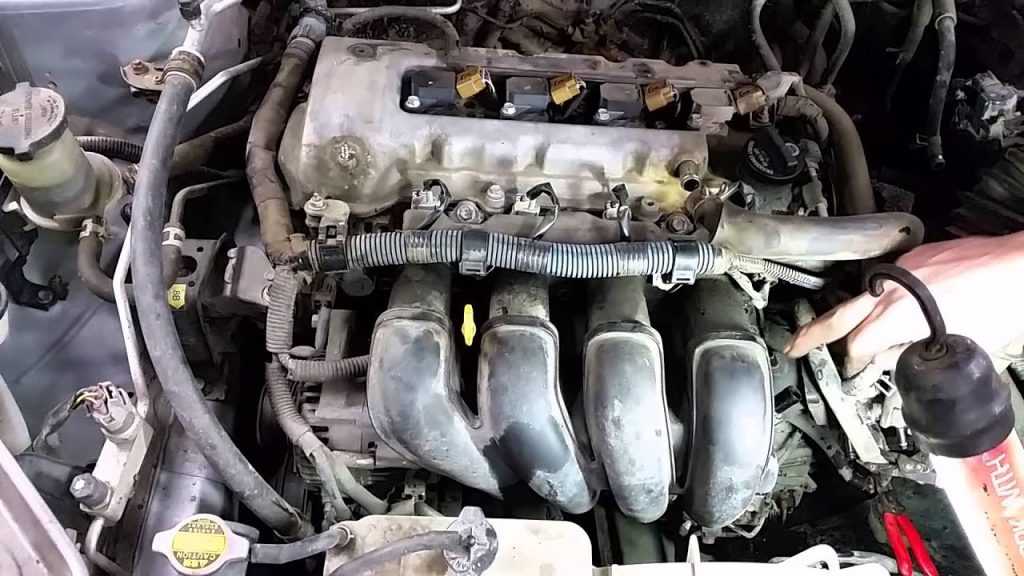
A lean-running engine rarely fails in a dramatic movie-scene way. It nags first, then it argues, then it starts costing money. A cracked intake manifold can let extra air enter the engine after the computer has already measured the incoming airflow, which throws the air-fuel mix off balance. For drivers in the United States dealing with emissions inspections, rising repair costs, and daily commuting stress, that small air leak can turn into rough starts, check engine lights, and poor fuel economy faster than expected. Shops, DIY writers, and local repair brands that explain problems with clear automotive repair content help drivers act before a small diagnosis becomes a parts-swapping mess. The tricky part is that the first signs often look like bad spark plugs, weak fuel delivery, or a dirty throttle body. That is why the pattern matters more than any single symptom.
Why the Air Leak Creates a Lean Mixture
Engines do not mind air. They depend on it. The problem starts when air sneaks in through a place the computer is not watching, because modern fuel control depends on measured airflow, oxygen sensor feedback, and constant correction.
How unmetered air throws off fuel trims
A gasoline engine tries to keep combustion balanced by matching fuel to incoming air. When air passes through the throttle body and airflow sensor, the engine control module can plan the right fuel amount. When air enters through a split runner, worn gasket, or damaged plastic seam, the computer sees the result late through the oxygen sensors.
That late correction shows up as positive fuel trims. In plain terms, the computer keeps adding fuel because the exhaust oxygen reading says the mixture has too much air. On many OBD-II scan tools, you may see short-term trims jumping first, then long-term trims climbing after the problem sticks around.
This is where bad guesses get expensive. A driver may replace oxygen sensors because the codes mention a lean bank, yet the sensors may be reporting the truth. The oxygen sensor is not always the liar. Sometimes it is the only witness telling the story straight.
Why engine running lean gets worse at idle
Small leaks often cause the sharpest trouble at idle because airflow is low and engine vacuum is high. A pinhole leak that barely matters at highway speed can become a loud troublemaker at a red light. That is why a car may cruise smoothly, then shake when you stop at a drive-through.
Engine running lean can also feel worse during cold starts. The engine needs extra fuel when cold, and any unmeasured air makes that demand harder to meet. You may hear the idle surge up and down while the computer tries to catch itself.
A 2010s family SUV in Chicago, for example, might start fine in July but stumble badly on a February morning. Cold plastic contracts, gaskets stiffen, and the leak acts larger until the engine warms. That seasonal pattern is not random. It points toward a sealing problem more than a simple tune-up issue.
The Driver Symptoms That Point Beyond a Simple Tune-Up
Most drivers notice the feel before they understand the fault. That matters, because a good diagnosis starts with the complaint in the seat, not the code on the screen. The engine tells you through rhythm, smell, sound, and response.
Why vacuum leak symptoms show up before hard failure
Vacuum leak symptoms often start as a high or uneven idle. The tachometer may hang higher than normal after startup, then drop too low when the transmission goes into gear. Some cars add a faint whistle or hiss near the intake area, though engine covers and road noise can hide it.
The check engine light may follow with codes like P0171 or P0174, which point to lean conditions on one bank or both banks. Those codes do not name the failed part. They only say the engine has reached a correction limit and still cannot bring the mixture back where it belongs.
A counterintuitive sign is better performance once the engine is under load. Many drivers think a major problem must feel bad all the time, but leaks often shout at idle and whisper at speed. That difference can help separate an air leak from a weak fuel pump, which tends to struggle harder under demand.
How rough idle diagnosis changes after warm-up
Rough idle diagnosis gets more useful when you pay attention to temperature. A leak near a gasket may act worse cold, then soften as materials expand. A cracked plastic runner may act the opposite if heat opens the split after the engine bay gets hot.
Mechanics often listen around the intake with care because the leak may sit under a runner, behind the throttle body, or near a vacuum port. Spraying chemicals around a running engine is risky and can damage parts, so many shops prefer smoke testing. Smoke shows where air escapes without turning the engine bay into a guessing game.
The best clue is consistency. Bad spark plugs usually misfire under certain load ranges. A dirty throttle body may cause sticky response. An intake manifold leak keeps pulling the mixture lean until the computer runs out of correction room, and that pattern is hard to fake once you know what to watch.
Testing the Manifold Without Chasing Random Parts
Parts swapping feels productive because something is being done. Diagnosis feels slower, but it saves money. A smart test plan separates the manifold from fuel, ignition, exhaust, and sensor faults before anyone reaches for a wrench.
Reading fuel trims before replacing sensors
A scan tool can tell you more than the trouble code. Look at short-term and long-term fuel trim at idle, then compare those numbers around 2,500 RPM. When trims are much higher at idle and settle closer to normal at higher RPM, unmetered air becomes a strong suspect.
Bank-specific data adds another layer. If one bank reads lean and the other looks normal, the leak may sit near one side of a V6 or V8 manifold. If both banks run lean, the leak may be near the throttle body, brake booster hose, PCV line, or a shared plenum area.
Drivers should also check technical service bulletins and recalls before paying for deep repairs. The NHTSA vehicle safety recalls database is a smart starting point for safety-related issues, though many intake sealing problems land outside formal recalls. A factory bulletin can still save hours if a known gasket or manifold design has a pattern.
Smoke testing around gaskets, runners, and ports
Smoke testing works because it turns an invisible air path into something you can see. A technician fills the intake system with low-pressure smoke while the engine is off, then watches for smoke escaping around seams, gaskets, and fittings. The method is calm, clean, and hard to argue with.
An intake manifold leak may appear at the gasket where the manifold meets the cylinder head. It can also appear around a vacuum nipple, sensor seal, PCV connection, or molded plastic joint. On some vehicles, the leak hides under brackets or wiring, which is why patience matters more than force.
A good shop will also inspect nearby hoses before blaming the manifold. A split brake booster hose or loose PCV tube can mimic the same lean codes. That is why a clean test plan beats a dramatic diagnosis. The manifold may be guilty, but it still deserves a fair trial.
Repair Choices, Risk, and the Smart Next Step
Repair decisions depend on the leak location, engine design, and the driver’s tolerance for risk. Some failures call for a gasket set. Others need a full manifold. The worst choice is ignoring the problem while the engine keeps correcting itself into a corner.
When an intake manifold leak becomes unsafe to ignore
An intake manifold leak becomes serious when the idle stalls, the brake booster vacuum drops, or the engine misfires enough to threaten the catalytic converter. A lean mixture burns hotter, and misfires can send raw fuel into the exhaust. That combination can turn a moderate repair into a much bigger bill.
Daily driving also adds pressure. A commuter in Dallas sitting in summer traffic does not have the same safety margin as a weekend car that only runs short errands. Heat, stop-and-go driving, and air conditioning load can expose weak idle control fast.
Drivers should stop treating the check engine light like background decoration. If the light flashes, the vehicle needs immediate attention because a damaging misfire may be active. If the light stays solid but the idle keeps falling near stalls, schedule repair before the car chooses the worst possible moment to quit.
How to prevent repeat lean codes after repair
The repair should not end when the new gasket or manifold is installed. The technician should clear codes, verify fuel trims, check for vacuum leaks again, and confirm the idle under warm and cold conditions when possible. Skipping verification is how repeat visits happen.
It also pays to replace brittle hoses and seals disturbed during the job. Older vacuum lines may crack when moved, even if they looked fine before the repair. A fresh manifold gasket with an old leaking hose nearby can make the whole job look like a failure.
For site owners building an auto repair cluster, this topic pairs well with an engine vacuum leak troubleshooting guide and a check engine light diagnosis guide. Drivers rarely search one problem in isolation. They move from symptom to code to repair cost, and your content should meet them at each step.
Conclusion
Lean codes reward patience and punish guessing. The smartest move is not replacing the loudest suspected part; it is reading the pattern until the fault gives itself away. Idle behavior, fuel trims, smoke testing, and temperature changes can tell a clear story when you stop treating every symptom as separate noise. A cracked intake manifold belongs high on the suspect list when rough idle, positive fuel trims, lean codes, and hidden air leaks all line up. American drivers also have a practical reason to act fast: emissions testing, fuel costs, and catalytic converter repairs can turn delay into a bill that hurts. Get the vehicle scanned, confirm the leak with proper testing, and repair the sealing fault before the engine has to keep fighting bad air every mile. Fix the cause, not the code, and the engine will usually tell you the truth on the next clean idle.
Frequently Asked Questions
What codes usually appear when an intake manifold has an air leak?
P0171 and P0174 are common because they point to lean conditions on one or both banks. You may also see misfire codes, idle control codes, or oxygen sensor-related codes. The code gives direction, but testing confirms the failed part.
Can a leaking intake cause rough idle but normal highway driving?
Yes, that pattern is common because engine vacuum is stronger at idle and total airflow is lower. The leak has more influence when the throttle is nearly closed. At higher speed, the same leak may feel less obvious.
Why does my engine run worse when cold with a manifold leak?
Cold starts need richer fuel delivery, and cold gaskets or plastic parts may seal poorly. As the engine warms, materials can expand and hide part of the leak. That is why some cars smooth out after several minutes.
Is it safe to drive with lean running codes?
Short trips may not cause instant damage, but long driving with lean codes is a bad bet. Heat, misfires, stalling, and catalytic converter damage can follow. A flashing check engine light means stop driving and get help.
How does a mechanic confirm an intake air leak?
A mechanic may compare fuel trims at idle and higher RPM, inspect hoses, listen for hissing, and run a smoke test. Smoke testing is often the cleanest proof because it shows the leak path without relying on guesswork.
Can bad oxygen sensors mimic a manifold sealing problem?
Yes, but oxygen sensors often get blamed unfairly. If fuel trims are high and smoke testing shows a leak, the sensor may be reporting correctly. Replacing sensors without testing can waste money and leave the real fault untouched.
Will a manifold gasket repair fix lean codes?
It will fix the codes only if the gasket is the true leak source and no other air leaks remain. A proper repair includes checking nearby hoses, PCV fittings, and vacuum connections. Verification after repair matters as much as installation.
How much does this type of repair usually cost in the United States?
Costs vary by engine layout, parts pricing, and labor time. A simple gasket job may stay moderate, while a buried manifold or full replacement can cost much more. The best estimate comes after a shop confirms the leak location.