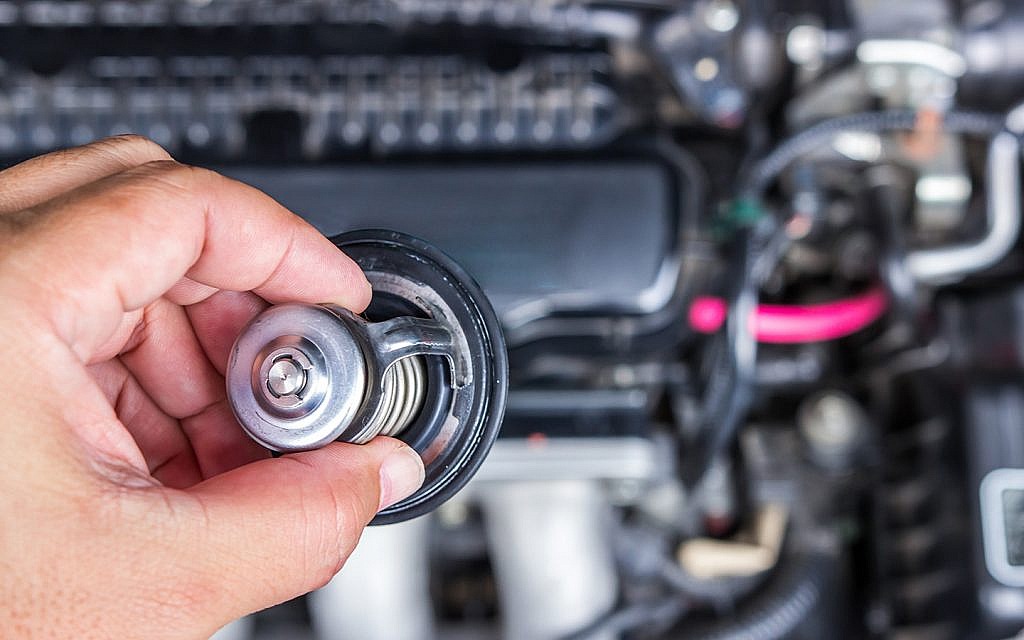
A small cooling-system part can turn a normal commute into a dashboard panic. When failing thermostat symptoms show up, your engine may run hot, your heater may blow cold, and your temperature gauge may act like it cannot make up its mind. Many drivers across the USA blame the radiator, coolant, fan, or water pump first, but the thermostat often starts the trouble quietly. It is the gatekeeper between the engine and radiator, and when it sticks, opens late, or stays open too long, the whole system loses balance. That is why smart drivers use trusted auto maintenance resources before guessing at repairs. A bad thermostat can make a January morning feel colder inside the cabin and a July highway drive feel risky under the hood. The warning signs are not always dramatic at first. Sometimes the first clue is weak cabin heat. Other times, the gauge climbs faster than usual at a red light. Catch it early, and the repair can stay simple. Ignore it, and overheating can become the expensive part of the story.
Why a Thermostat Changes the Way Your Engine Behaves
The thermostat does not cool the engine by itself. It controls when coolant moves from the engine to the radiator, which makes it more like a traffic signal than a pump. When it works, the engine warms up quickly, holds a steady operating temperature, and sends enough hot coolant through the heater core to warm the cabin. When it fails, the system loses that timing.
How a Stuck Thermostat Traps Heat Too Long
A stuck thermostat can keep hot coolant inside the engine when it should be moving toward the radiator. That delay creates engine overheating because heat has nowhere useful to go. You may see the temperature gauge climb during stop-and-go driving, then drop slightly once the vehicle moves faster and airflow improves.
This pattern fools many drivers. A person in Phoenix might think the summer heat alone is to blame, while someone in Chicago may assume the issue is low coolant after a cold night. Weather can make the problem louder, but it does not create the mechanical failure. The thermostat is still the part refusing to open on time.
The counterintuitive part is that the engine may not overheat every time you drive. A short trip to the grocery store may seem fine, then a longer freeway run exposes the issue. That inconsistency is exactly why thermostat trouble gets ignored until the warning light appears.
Why an Open Thermostat Can Make the Cabin Feel Cold
A thermostat can also fail in the open position. That sounds safer because coolant keeps moving, but it creates a different problem. The engine may struggle to reach its normal operating temperature, especially during winter driving in states like Minnesota, Michigan, or New York.
Poor heater output often comes from coolant that never gets hot enough to warm the heater core properly. You turn the fan higher, adjust the vents, and wait for warmth that never arrives. The cabin feels stubbornly cold, even though the vehicle runs and drives.
Open failure can also hurt fuel economy because the engine control system may treat the engine as if it is still warming up. That means the car may run richer than it should. A thermostat stuck open may not feel urgent, but it can quietly waste fuel and make every cold morning more irritating.
Failing Thermostat Symptoms Drivers Notice First
The earliest clues often appear before steam, warning lights, or major breakdowns. Drivers tend to notice comfort changes, odd gauge behavior, or coolant patterns that do not match normal driving. Failing thermostat symptoms rarely arrive in a neat order, so the smartest move is to read the group of signs together.
Temperature Gauge Swings That Do Not Match the Drive
A healthy cooling system usually keeps the temperature gauge steady once the engine warms up. The needle may move slightly, but it should not bounce from cool to hot and back again during ordinary driving. Sudden changes point toward coolant flow trouble.
A stuck thermostat can create those swings because coolant moves at the wrong time. The engine heats up, the thermostat opens late, cooler coolant rushes through, and the gauge drops. Then the cycle starts again. It feels random from the driver’s seat, but the pattern has a mechanical cause.
This is where many people lose time. They replace coolant, check the radiator cap, or blame the dash gauge before testing the thermostat. Those parts can matter, but a thermostat that opens late can mimic several bigger problems. Small part, big confusion.
Heat That Comes and Goes Inside the Cabin
Cabin heat gives you a practical clue because it depends on hot coolant moving through the heater core. If the vents blow warm air one moment and cool air the next, coolant flow may be uneven. That does not automatically prove the thermostat is bad, but it puts it high on the suspect list.
Poor heater output becomes more obvious during morning starts, school drop-offs, and long drives in cold weather. The fan may work fine. The vents may switch positions correctly. Still, the air never reaches the heat level you expect from the setting.
A real-world example is a driver in Pennsylvania who gets weak heat on local roads, then slightly better heat on the highway. That shift can happen when engine load and coolant movement change. The heater is not being dramatic; it is reporting what the cooling system is doing.
How Overheating Damage Builds When the Sign Gets Ignored
Overheating rarely stays polite. Once coolant flow becomes unreliable, heat starts stressing parts that were never meant to live above their normal range. The thermostat may be cheap, but the parts it can damage are not. That gap is what makes delay so costly.
Engine Overheating Can Turn Small Repairs Into Major Work
Engine overheating puts pressure on head gaskets, hoses, plastic tanks, seals, and sensors. A short spike may not destroy anything, but repeated overheating changes the odds fast. Heat expands metal, weakens rubber, and pushes old cooling parts past their limit.
Drivers often make the mistake of topping off coolant and driving again without finding the cause. That may buy a day, but it does not solve the flow problem. If the thermostat remains closed too long, the next drive can bring the same heat spike back.
The strange truth is that a low-cost thermostat can protect high-cost engine parts when replaced early. Waiting for the problem to “prove itself” is a bad bet. A temperature warning light is not a suggestion. It is the engine asking you to stop before the repair bill grows teeth.
Coolant Temperature Problems Can Confuse Other Systems
Modern vehicles rely on temperature data for fuel control, emissions behavior, fan operation, and warning lights. Coolant temperature problems can make the vehicle feel like several issues are happening at once. That is why a thermostat issue may look like a sensor issue at first.
A car in Texas may run hot in traffic, trigger the cooling fan often, and show rougher performance during short trips. The driver may suspect the fan relay or temperature sensor. Those parts deserve testing, but thermostat behavior should be checked before throwing parts at the vehicle.
This is where diagnosis matters more than guesswork. A mechanic may compare scan-tool temperature data with hose temperature, coolant flow, and gauge behavior. That process separates a bad thermostat from low coolant, trapped air, radiator blockage, or water pump trouble.
What to Do Before the Thermostat Leaves You Stranded
A cooling-system problem rewards calm action. You do not need to become a mechanic, but you do need to stop treating heat warnings as background noise. The right move depends on what the gauge, vents, coolant level, and driving conditions are telling you together.
Safe Checks You Can Make Without Tearing Anything Apart
A cold engine gives you the safest starting point. Check the coolant reservoir level, look for puddles under the vehicle, and inspect hoses for obvious swelling or cracks. Never open a hot radiator cap, because pressurized coolant can burn skin in seconds.
A stuck thermostat may leave the upper radiator hose cool longer than expected while the engine gets hot. That can suggest coolant is not leaving the engine properly. This check is not a final diagnosis, but it gives useful context before you call a shop.
A few signs deserve faster action:
- The temperature gauge climbs near the red zone.
- Steam appears from under the hood.
- Heat disappears while the engine runs hot.
- Coolant drops without a clear reason.
- The warning light returns after adding coolant.
Those clues mean the vehicle should not be driven far. Pull over safely, shut the engine off, and let the system cool before making the next choice. Pushing through can turn a thermostat repair into engine work.
When Replacement Makes More Sense Than Waiting
Thermostats are wear parts, not lifetime promises. If testing points toward a stuck thermostat, replacement usually makes more sense than repeated monitoring. The part is often accessible compared with deeper cooling-system repairs, though labor varies by vehicle layout.
A stuck thermostat should also make you think about the coolant around it. Old coolant, rust, sealant residue, or neglected service can make the system harder on new parts. Replacing the thermostat without checking coolant condition can leave the root environment unchanged.
The smartest repair is not always the biggest one. It is the one that restores normal temperature control and prevents repeat failure. Ask the shop to confirm the cooling fans work, the system holds pressure, and no air pockets remain after the repair. That last step matters more than many drivers realize.
Conclusion
A thermostat problem is easy to underestimate because the part feels too small to cause that much trouble. Engines do not care about the size of the failed part. They care about heat control, and once that control slips, every mile asks the cooling system to cover for a bad decision.
The best move is to treat failing thermostat symptoms as an early warning, not a repair invitation you can postpone for weeks. Weak cabin heat, odd gauge movement, delayed warm-up, or recurring heat spikes all deserve attention before the vehicle leaves you on the shoulder. You do not need to panic, and you do not need to replace half the cooling system on a hunch. You need a focused diagnosis and a repair that restores steady coolant flow.
Schedule a cooling-system check as soon as the signs appear, because the cheapest overheating repair is almost always the one you handle before the steam shows up.
Frequently Asked Questions
What are the most common signs of a bad car thermostat?
The most common signs include an overheating engine, weak cabin heat, slow warm-up, sudden temperature gauge changes, and coolant leaks near the thermostat housing. These signs can overlap with radiator or water pump problems, so testing matters before replacing parts.
Can a bad thermostat cause no heat in the car?
Yes, a thermostat stuck open can stop the engine from reaching normal operating temperature. When coolant stays too cool, the heater core cannot produce enough warmth for the cabin. This often feels worse during cold mornings and highway driving.
How long can you drive with a stuck thermostat?
You should avoid driving with a stuck thermostat once overheating appears. Short movement to a safe location may be necessary, but continued driving can damage the head gasket, radiator, hoses, and engine seals. A tow often costs less than heat damage.
Why does my temperature gauge go up and down while driving?
A swinging temperature gauge can point to uneven coolant flow, trapped air, low coolant, a faulty sensor, or a thermostat opening at the wrong time. When the movement repeats during normal driving, the cooling system needs inspection before the engine overheats.
Does a stuck thermostat always turn on the check engine light?
No, a stuck thermostat does not always trigger the check engine light right away. Some vehicles set a code when the engine warms too slowly or runs too hot, while others show only gauge changes and heater problems at first.
Can low coolant look like a bad thermostat problem?
Yes, low coolant can create weak heat, overheating, and unstable gauge readings. That is why coolant level should be checked first on a cold engine. If the level keeps dropping, the system may have a leak that needs repair.
How much does thermostat replacement usually involve?
Thermostat replacement usually involves draining some coolant, removing the housing, installing the new thermostat and gasket, refilling coolant, and bleeding air from the system. Labor depends on engine layout because some thermostats sit in tight spaces.
Should I replace coolant when changing the thermostat?
Fresh coolant is often smart if the old coolant looks dirty, rusty, diluted, or overdue for service. Clean coolant helps protect the new thermostat, radiator, heater core, and water pump. The shop should also bleed trapped air after the refill.