
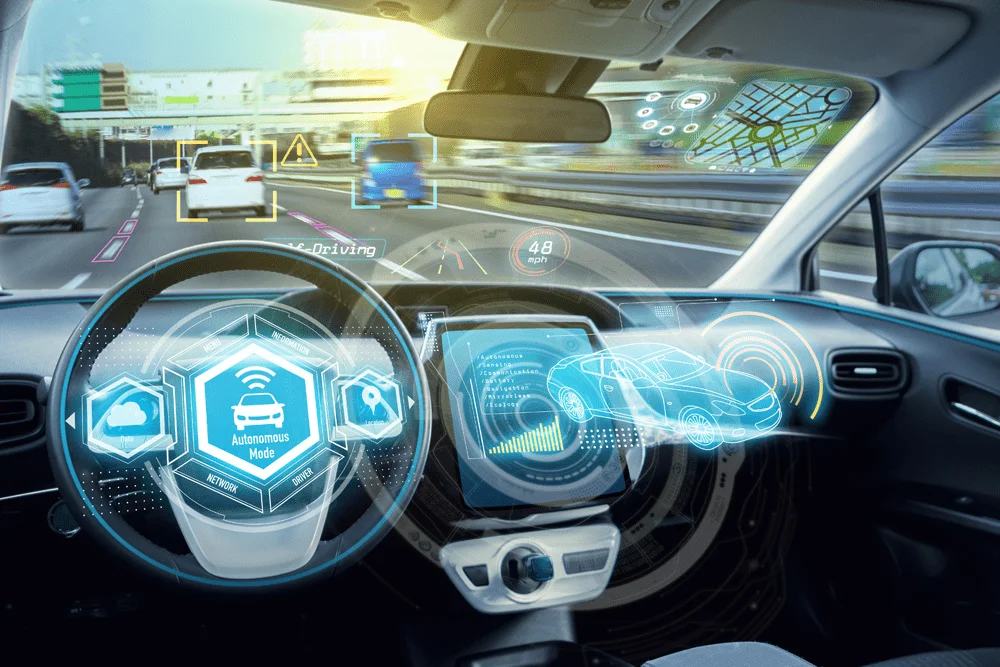
Connected vehicle technology is reshaping the future of transportation by making vehicles smarter, safer, and more efficient. Modern automobiles are no longer isolated machines. They are becoming part of a connected ecosystem where cars communicate with each other, road infrastructure, cloud platforms, and mobile devices. This constant exchange of information helps drivers make informed decisions, improves road safety, and enhances the overall driving experience. As technology continues to evolve, connected vehicles will play a major role in building intelligent transportation systems around the world.
The Rise of Connected Vehicles
A connected vehicle uses internet connectivity, sensors, cameras, and advanced software to gather and share information in real time. These vehicles can alert drivers about traffic congestion, road hazards, weather conditions, and nearby accidents before they become immediate dangers. They also receive regular software updates that improve performance, security, and functionality without requiring a visit to a service center.
The growing adoption of connected technology is laying the foundation for autonomous driving while making everyday travel more convenient and reliable.
Improving Road Safety Through Real Time Communication
One of the biggest advantages of connected vehicle technology is its ability to improve road safety. Vehicles equipped with communication systems can exchange information with nearby cars, allowing drivers to receive early warnings about sudden braking, lane changes, or dangerous road conditions.
Emergency response can also become much faster. If a collision occurs, connected systems can automatically notify emergency services while sharing the vehicle’s location. These features reduce response times and may help save lives.
Predictive Maintenance for Better Vehicle Performance
Traditional vehicle maintenance often depends on scheduled servicing or waiting until a problem becomes noticeable. Connected vehicles take a smarter approach by continuously monitoring critical systems such as the engine, battery, transmission, brakes, and tires.
When the system detects unusual behavior, it immediately alerts the driver before a small issue develops into a major repair. Predictive maintenance reduces repair costs, improves reliability, and increases the lifespan of the vehicle while minimizing unexpected breakdowns.
Digital Transformation and pmmvy 2.0
Digital platforms have transformed the way people access services and information. Whether individuals are checking updates related to pmmvy 2.0 or using various online government services, people have become increasingly comfortable with digital technology.
This growing confidence in connected digital platforms makes it easier for consumers to embrace connected vehicle technology. Drivers now expect mobile applications that allow them to monitor vehicle health, schedule maintenance, track fuel efficiency, and receive navigation updates instantly.
Smarter Navigation With Connected Systems
Navigation has advanced far beyond traditional GPS devices. Connected vehicles use live traffic information, cloud based mapping, and artificial intelligence to calculate the fastest and safest routes.
If road construction, accidents, or heavy congestion occur, the navigation system automatically recommends alternative routes. Some vehicles can even predict travel times more accurately by analyzing historical traffic patterns combined with current road conditions.
These intelligent navigation systems reduce travel time, improve fuel efficiency, and provide a smoother driving experience.
Data Integration and webgis 2.0 mp bhulekh login
Efficient digital platforms demonstrate how valuable organized data has become. Services such as webgis 2.0 mp bhulekh login show how users can quickly access important information through integrated online systems.
Connected vehicles operate using a similar concept by collecting large volumes of driving data from sensors, cameras, navigation systems, and cloud services. This information helps manufacturers improve software, enhance safety features, optimize vehicle performance, and deliver more personalized driving experiences.
Artificial Intelligence Powers Intelligent Driving
Artificial intelligence is one of the most important technologies behind connected vehicles. AI analyzes driving behavior, monitors surrounding traffic, recognizes pedestrians, and assists with parking, adaptive cruise control, and lane keeping.
Machine learning allows these systems to improve continuously by processing millions of driving scenarios. As a result, vehicles become more accurate in identifying potential risks and responding appropriately.
Artificial intelligence also supports voice assistants, allowing drivers to control navigation, entertainment, and communication systems without taking their hands off the steering wheel.
Growing Digital Adoption Through pm kisan beneficiary status
Consumers increasingly rely on digital platforms for everyday activities, including checking pm kisan beneficiary status and accessing various public services online.
This widespread digital adoption encourages greater acceptance of connected vehicles. Drivers appreciate being able to monitor vehicle diagnostics, receive software updates, schedule service appointments, and access roadside assistance directly through smartphone applications.
Such seamless connectivity improves convenience while strengthening the relationship between drivers and their vehicles.
The Future of Smart Cities and mahabocw payment status
Smart cities depend on efficient communication between transportation systems, infrastructure, and digital services. Just as users conveniently access updates such as mahabocw payment status, future drivers will expect instant communication between their vehicles and surrounding infrastructure.
Connected vehicles will interact with traffic signals, parking facilities, charging stations, and emergency response systems. This level of connectivity will reduce traffic congestion, improve fuel efficiency, lower emissions, and create safer roads for everyone.
Conclusion
Connected vehicle technology represents one of the most significant advancements in modern transportation. By combining internet connectivity, artificial intelligence, cloud computing, and real time communication, vehicles are becoming smarter than ever before. They offer improved safety, predictive maintenance, intelligent navigation, and seamless digital integration. As smart cities continue to develop and automotive innovation accelerates, connected vehicles will transform how people travel, making transportation safer, more efficient, and increasingly connected for future generations.
