Your car usually tells the truth before your repair bill does. The small sounds, slow starts, rough shifts, warm smells, and uneven pulls are not random annoyances; they are early messages from a machine that wants attention before damage gets expensive. That is where Smart Hyper Engine Vault Inspiration for Car Owners becomes more than a catchy title. It becomes a mindset: protect the heart of the vehicle before the road exposes every weak point.
Most drivers think care begins when something breaks. Smart drivers think care begins while everything still feels normal. A clean engine bay, steady service rhythm, sensible upgrades, and honest driving habits all work together like a quiet insurance policy. You do not need a race shop budget or a mechanic’s vocabulary to make better decisions. You need a sharper eye and a plan that respects how engines age under heat, dust, traffic, and hard acceleration. For broader publishing and auto-focused content ideas, resources like automotive visibility support can help brands frame car topics in a way readers can act on.
How Hyper Engine Vault Thinking Changes Daily Ownership
Most car trouble starts long before the warning light appears. A driver who waits for dashboard drama is already late, while a driver who pays attention to patterns can catch small problems while they are still cheap. Hyper Engine Vault thinking treats the engine as a protected space, not a hidden box under the hood that only matters during service appointments.
Engine care inspiration for drivers who notice small changes
Good ownership begins with listening, not guessing. A cold start that takes half a second longer than usual, a faint ticking after idle, or a new vibration through the steering wheel can tell you more than a glossy service sticker ever will. Engine care inspiration starts with giving those small clues a place in your routine instead of brushing them off as “probably nothing.”
A practical example makes this clear. A driver who notices the coolant level dropping slightly every two weeks can check hoses, clamps, and the radiator cap before overheating turns a normal commute into a tow-truck afternoon. That same driver saves money not because they are lucky, but because they respect early signals.
The odd truth is that calm drivers often protect engines better than aggressive enthusiasts. The person who warms the car gently, avoids panic revving, and checks fluids on a boring Sunday may add more life to an engine than someone who buys expensive parts but ignores basic symptoms.
Smart engine upgrades that do not create new problems
Smart engine upgrades should make the car stronger without making daily ownership harder. Better air filtration, quality spark plugs, fresh ignition coils, improved cooling parts, and proper fluids can all support reliability when chosen for the vehicle’s actual needs. The trap is buying parts because they sound exciting instead of because they solve a real weakness.
A family sedan that sits in city traffic needs heat control more than loud intake noise. A small turbocharged car may benefit more from clean oil at shorter intervals than from chasing extra power. Smart engine upgrades only work when they match the car’s use, climate, mileage, and maintenance history.
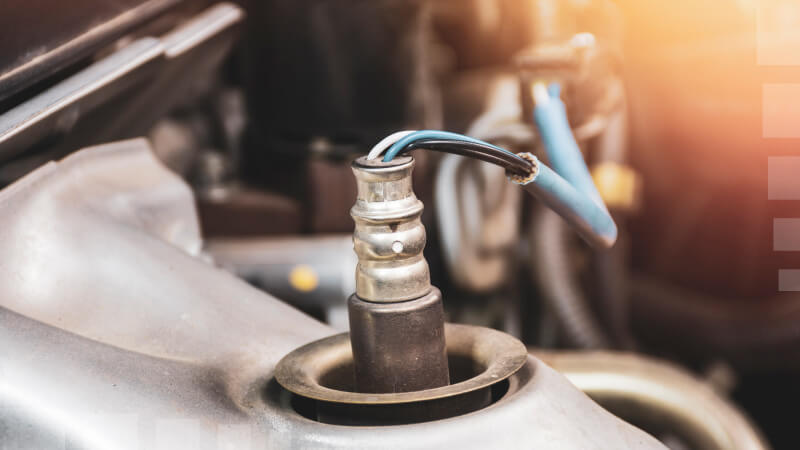
Too many owners bolt on ambition and call it progress. A cheaper, wiser move is to refresh tired factory systems first. Replace cracked hoses, worn belts, weak mounts, dirty filters, and aged sensors before asking the engine to work harder. Power built on neglect is a loan with brutal interest.
Building Better Habits Before Repairs Become Expensive
Once you begin reading the car honestly, the next step is building habits that reduce stress before parts fail. The best owners do not treat maintenance as a punishment. They treat it as a rhythm, much like sleep, food, and exercise for the machine that carries them through work, family errands, late drives, and weekend plans.
Vehicle performance ideas that start with maintenance
Vehicle performance ideas do not need to begin with horsepower. Fresh oil, correct tire pressure, clean fuel injectors, healthy spark, and a strong battery can make an ordinary car feel sharper without turning it into a project. Performance often returns when friction, dirt, and delay are removed.
Consider a car that feels sluggish during morning drives. Many owners blame the engine immediately, but the real problem may be old transmission fluid, underinflated tires, a clogged air filter, or weak plugs. Fixing those issues restores response because the car no longer fights itself at every step.
The counterintuitive part is simple: maintenance can feel like an upgrade when the car has been neglected long enough. A fresh set of fluids and filters may not look dramatic in photos, but the difference behind the wheel can be obvious within the first mile.
Car owners and the discipline of service timing
Car owners often stretch service intervals because the car still runs. That logic sounds harmless until heat, dirty oil, carbon buildup, and worn seals begin working together. Engines rarely fail from one missed task. They fail from many small delays that stack up quietly.
A calendar-based service plan works better than memory. Mark oil changes, coolant checks, brake inspections, belt reviews, and tire rotations in a simple note app or printed folder. You do not need a fancy system. You need one place where the truth cannot disappear.
There is also dignity in knowing when not to push a car. Long road trip coming? Check the basics two weeks before leaving, not the night before. That gap gives you time to fix a weak battery, small leak, or worn belt without panic buying parts at the worst possible moment.
Choosing Parts, Fluids, and Tools With a Clear Head
After habits come decisions, and decisions are where many owners waste money. A shelf full of bright labels can make every product sound like a miracle. The smarter path is less glamorous: understand what your engine asks for, buy quality where it matters, and ignore anything that promises magic without explaining the tradeoff.
Engine care inspiration when buying replacement parts
Engine care inspiration shows up in the boring aisle more than the flashy one. Oil filters, coolant, gaskets, spark plugs, belts, sensors, and hoses carry more responsibility than most owners give them. A weak part in the wrong place can turn a small repair into repeat labor, lost time, and fresh frustration.
A real-world example is the thermostat. A cheap thermostat that opens late can make the engine run hotter than it should, even if everything else looks fine. The owner may blame the radiator or fan while the real issue sits hidden inside a part that cost less than dinner.
Good parts choices are not always the most expensive ones. They are the ones that meet the correct specification, fit properly, and come from a source with a track record. Your engine does not care about packaging. It cares about tolerance, heat resistance, and consistency.
Smart engine upgrades for long-term reliability
Smart Hyper Engine Vault Inspiration for Car Owners matters most when owners stop chasing noise and start chasing balance. A mild cooling improvement, a stronger battery, fresh grounds, better-quality fluids, or upgraded engine mounts can change the ownership experience without turning the car into a temperamental hobby.
Smart engine upgrades should also respect the weakest link. Adding power to a car with tired brakes, old tires, and worn suspension is not confidence; it is bad judgment dressed as enthusiasm. A reliable car needs the whole system to agree with the engine’s ambition.
The best upgrade path often looks dull from the outside. Fix the known weak points first, then improve the parts that support heat control, ignition, fuel delivery, and airflow. A car built in that order feels composed because each improvement gives the next one a stable foundation.
Turning Ownership Into a Smarter Long-Term Plan
Once the car runs better, the real challenge is keeping your standards from slipping. Ownership is not a single repair, a single wash, or a single smart purchase. It is a pattern of choices that either protects the vehicle over years or slowly hands control to chance.
Vehicle performance ideas for different driving styles
Vehicle performance ideas should match how you drive, not how strangers online drive. A commuter who sits in traffic needs cooling health, clean fluids, and smooth idle quality. A weekend canyon driver needs brakes, tires, suspension condition, and heat management. A long-distance driver needs comfort, fuel range, lighting, and predictable service records.
A pickup used for towing tells a different story again. Transmission temperature, differential fluid, brake wear, and tire load ratings matter as much as engine output. More power means little when the supporting systems are tired.
The unexpected lesson is that restraint can be a performance strategy. Leaving a healthy margin in the engine, brakes, and cooling system makes a car feel relaxed under pressure. Machines last longer when they are not forced to live at the edge every time you ask them to work.
Car owners who keep records make better decisions
Car owners who keep records stop arguing with memory. A folder with receipts, mileage notes, part numbers, fluid types, and repair dates turns guesswork into evidence. When a problem returns, you can see what was replaced, when it happened, and whether a pattern is forming.
Records also protect resale value. A buyer trusts a car more when the owner can show service history instead of offering vague claims. “Maintained well” means little. A dated receipt for coolant, belts, spark plugs, brake fluid, and tires speaks with more force.
This habit also changes your relationship with mechanics. You arrive with context instead of anxiety. You can explain when the noise began, what changed recently, and which parts are already new. That saves diagnostic time, reduces confusion, and makes the conversation far more useful.
Conclusion
A better car ownership plan does not begin with panic, gadgets, or expensive promises. It begins with attention. The driver who watches patterns, keeps records, buys parts with care, and upgrades with restraint will usually own a calmer, stronger, more dependable vehicle than the driver who waits for trouble to shout.
Smart Hyper Engine Vault Inspiration for Car Owners is really about control. You cannot control every failure, every bad part, or every rough road, but you can control how prepared your car is before those things arrive. That difference matters on cold mornings, long highways, heavy traffic days, and every moment when you need the engine to answer without complaint.
Start with one action this week: inspect your fluids, note your mileage, and write down the next three service items your car deserves. A protected engine is not built in one dramatic weekend; it is built through small choices that keep paying you back every time the key turns.
Frequently Asked Questions
What are the best engine care tips for car owners?
Start with oil, coolant, belts, hoses, filters, and battery health. These basics carry more weight than most upgrades. Check them on a steady schedule, write down what you find, and act on small changes before they turn into expensive repairs.
How can smart engine upgrades improve daily driving?
The right upgrades improve response, cooling, starting, idle quality, and long-term reliability. Focus on parts that support the engine instead of parts that only add noise. A cleaner, calmer, better-supported engine usually feels stronger in normal driving.
What vehicle performance ideas work without major modifications?
Fresh fluids, clean filters, correct tire pressure, healthy spark plugs, and proper wheel alignment can improve how a car feels. These changes reduce drag, hesitation, and roughness without adding stress to the engine or changing the car’s character.
Why should car owners keep maintenance records?
Records help you spot patterns, avoid repeat purchases, and explain problems clearly to a mechanic. They also make the car easier to sell because buyers trust proof more than promises. A simple folder can save both money and confusion.
How often should engine fluids be checked?
Check key fluids at least once a month and before long trips. Oil, coolant, brake fluid, power steering fluid, and transmission fluid all reveal useful clues. A small drop, dark color, or burnt smell can warn you before a breakdown begins.
What engine care inspiration helps older vehicles last longer?
Older vehicles need consistency more than excitement. Replace aging rubber parts, refresh fluids, inspect leaks, clean electrical connections, and avoid hard driving before the engine warms. Small, steady care protects older engines better than sudden spending after neglect.
Are smart engine upgrades worth it for normal drivers?
They are worth it when they solve a real need. Better cooling parts, ignition components, fluids, and mounts can improve comfort and reliability. Upgrades chosen for looks or noise alone often bring less value than careful maintenance.
What should car owners inspect before a long road trip?
Inspect tires, oil level, coolant level, belts, hoses, lights, brakes, battery condition, and wiper blades. Do it early enough to fix problems without stress. A road trip rewards preparation and punishes last-minute hope.