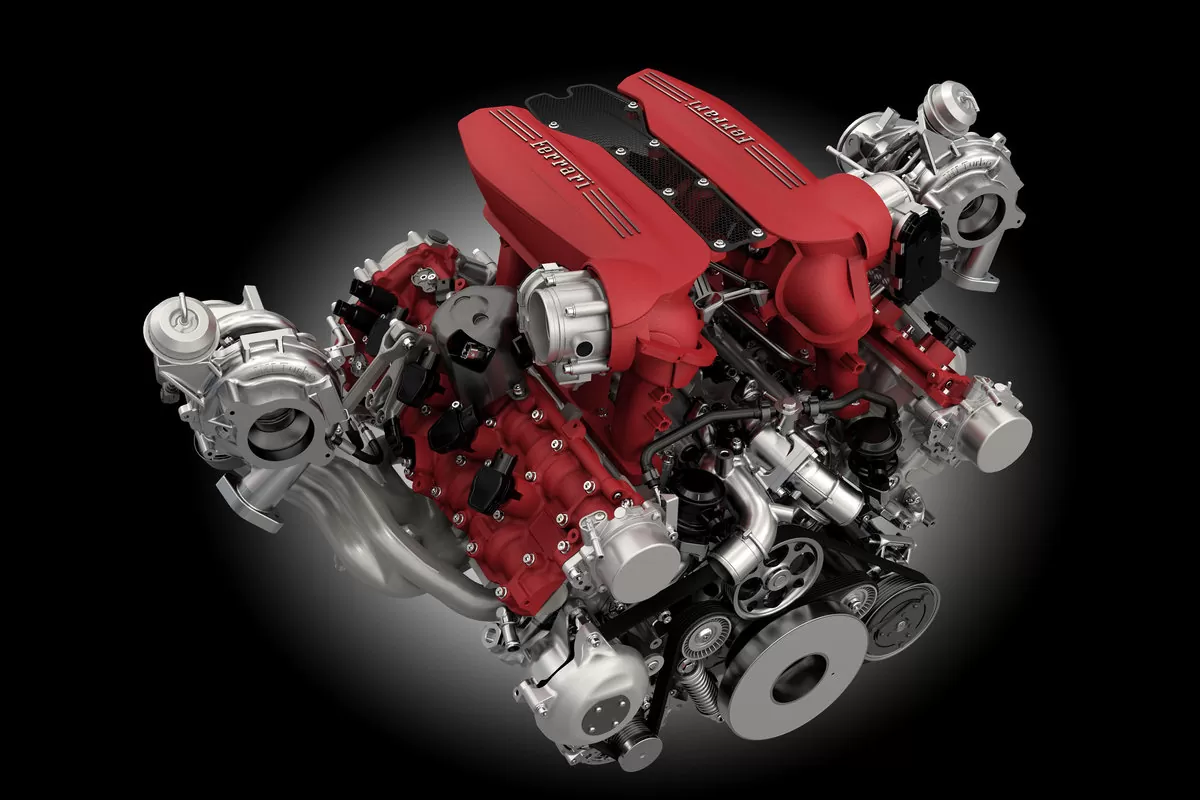
Modern drivers are paying closer attention to what happens under the hood, and not because they suddenly became mechanics. The shift is simpler than that: cars cost more to buy, repairs hit harder, and every strange sound now feels like a warning bill. For auto lovers, Hyper Engine Vault Trends point toward a smarter way to think about engine care, performance habits, and long-term vehicle confidence without turning maintenance into a full-time hobby. The best drivers are no longer waiting for breakdowns before they act. They are watching patterns, choosing better routines, and treating the engine like the center of the whole ownership experience. Even outside the garage, strong automotive visibility depends on clear communication, which is why brands often rely on trusted platforms for digital brand growth when sharing practical vehicle insights. Good engine health is not about obsessing over every part. It is about knowing which signals matter, which upgrades make sense, and which habits quietly protect the machine you already love.
Why Modern Engine Care Is Becoming More Personal
Engine care used to feel mechanical in the dullest sense: change the oil, check a few parts, hope nothing expensive happens. That old rhythm does not fit how people own cars now. Drivers keep vehicles longer, push them through mixed traffic, use them for work, travel, family needs, and weekend fun. The engine is no longer a hidden lump of metal. It is the part of the car that decides whether your plans feel easy or stressful.
Engine care habits for drivers who keep cars longer
Longer ownership changes the entire relationship between you and your vehicle. A driver who plans to trade in after two years can ignore small discomforts. A driver who wants eight reliable years cannot. Tiny signs matter more when the car has to serve you through hot weather, stop-start traffic, long highway pulls, and cold starts after sitting overnight.
Smart engine care habits begin with rhythm, not panic. You learn how your engine sounds on a normal morning, how it responds after a long drive, and how it feels when the air conditioning loads the system. That sounds simple, but it is the kind of attention that catches trouble before it becomes drama. Auto lovers often notice paint swirls before they notice a rough idle. That order needs to change.
The counterintuitive part is that better care does not always mean doing more. It often means doing less random guessing. Replacing parts because someone online said so can waste money and create new problems. A steady maintenance log, quality fluids, clean filters, and proper warm-up habits beat scattered upgrades almost every time.
Performance maintenance tips for real roads
Performance maintenance tips only matter when they match real driving. A car that spends most of its life in city traffic needs different attention than one that sees open highways every weekend. Short trips punish engines because they often end before oil reaches full working temperature. That means moisture and fuel residue may hang around longer inside the system.
A driver who understands this can adjust without turning life upside down. Taking a slightly longer route once in a while, avoiding hard throttle on a cold engine, and keeping the cooling system healthy all help the engine work under friendlier conditions. None of this sounds glamorous. That is why it works.
Many auto lovers chase power before consistency, which is backward. A healthy engine that delivers the same response every week is more enjoyable than a tuned engine that feels moody every third drive. Performance maintenance tips should protect confidence first. Extra speed means little if the car makes you nervous at every traffic light.
Hyper Engine Vault Trends That Put Prevention Ahead of Repair
The smartest shift in car culture is the move from repair thinking to prevention thinking. Drivers are starting to understand that the cheapest engine problem is the one that never gets the chance to grow. Hyper Engine Vault Trends reflect that mindset by placing attention on early signals, cleaner habits, and decisions that protect the engine before damage becomes visible.
Vehicle reliability upgrades that make sense first
Vehicle reliability upgrades should begin with weak points, not wish lists. Every car has its own pattern. Some engines dislike poor oil quality. Some suffer when cooling systems are ignored. Others need timely belt, gasket, or sensor attention before they punish the owner with a roadside surprise.
The mistake many drivers make is buying visible upgrades before invisible protection. A flashy intake or exhaust may feel exciting, but a tired cooling system can ruin the whole engine without caring how good the car sounds. Reliability is not boring. It is the permission slip for every enjoyable drive after.
A practical example is the driver who owns an older sedan and wants better response. The wise first step is not a performance part. It is checking spark plugs, coils, vacuum leaks, engine mounts, coolant condition, and fuel delivery. Once the base is steady, upgrades make sense. Before that, they are decorations on uncertainty.
Smart auto maintenance for daily stress
Smart auto maintenance starts with the kind of stress most drivers underestimate. Heat, dust, short trips, poor fuel, heavy loads, and long idle times can age an engine faster than mileage alone suggests. Two cars with the same odometer reading can live completely different lives under the hood.
Daily stress leaves clues. A faint burnt smell after parking, slower starts, mild hesitation, or a temperature needle that behaves differently than before can all point toward change. Not disaster. Change. The driver who treats those clues early saves money because small checks are cheaper than major repairs.
The unexpected truth is that smart auto maintenance is partly emotional discipline. You have to resist both extremes: ignoring every sign and fearing every sign. Good owners sit in the middle. They pay attention, act when evidence appears, and do not let anxiety turn every vibration into a crisis.
The New Role of Technology in Engine Confidence
Technology has changed engine care, but not always in the way people expected. More screens and sensors do not automatically create smarter owners. In some cases, they create confusion because drivers see warnings without understanding context. The real value of technology appears when it turns vague worry into clearer action.
Diagnostic tools for ordinary auto lovers
Affordable diagnostic tools have given everyday drivers a new level of access. A basic scan tool can read fault codes, show live data, and help you decide whether a warning light needs urgent attention or a planned appointment. That does not make you a technician, and it should not pretend to.
The best use of a diagnostic tool is not to replace a mechanic. It is to ask better questions. When you can describe the code, the symptoms, and when the issue appears, the repair conversation becomes sharper. You stop walking into the shop with only fear in your pocket.
There is a trap here. Codes point toward systems, not always toward single failed parts. Replacing whatever word appears on the scanner can become expensive guessing. A code related to oxygen sensors, for example, may involve air leaks, fuel mixture issues, wiring, or exhaust problems. Data helps most when paired with patience.
Engine performance insights without overthinking
Engine performance insights now come from apps, dashboards, sensors, and service reports. The problem is not lack of information. The problem is knowing when information deserves action. A tiny variation in fuel economy may mean nothing. A steady decline over several tanks deserves attention.
Drivers should focus on trends instead of snapshots. One rough start after bad weather may not matter. Repeated rough starts over two weeks tell a different story. A single hot day can raise temperatures. A cooling fan that cycles strangely across several drives deserves a closer look.
This is where auto lovers can gain a serious edge. You do not need to memorize every sensor value. You need to build a feel for normal. Once normal is clear, abnormal becomes easier to spot, and the engine no longer feels like a sealed box waiting to betray you.
Building Better Ownership Habits Around the Engine
The strongest engine care plan is the one you can actually live with. Complicated routines collapse fast. Simple habits survive because they fit into normal life. A driver who builds small checks into fuel stops, washing days, and monthly routines will beat the owner who makes one huge maintenance push and then forgets everything for a year.
Car engine protection through small routines
Car engine protection begins before the wrench comes out. Parking choices, fuel quality, driving style, and warm-up behavior all affect long-term health. A driver who hammers the throttle two minutes after startup is asking cold oil to protect moving parts before it is ready. The engine may tolerate that for a while, but tolerance is not approval.
A small routine can be almost invisible. Check the ground under the car once a week. Listen during startup before turning on loud audio. Watch for changes in exhaust smell. Keep the engine bay clean enough that leaks cannot hide under old dirt. These habits take less time than scrolling through car videos.
The funny part is that car engine protection often feels too plain to respect. People want secret tricks. Engines usually want clean fluids, stable temperatures, proper airflow, and owners who do not abuse them before breakfast. Plain wins because plain is repeatable.
Auto lovers and the discipline of restraint
Auto lovers sometimes struggle with restraint because enthusiasm wants action. A new part, a new tune, a new sound, a new feel. That hunger is part of the fun, but it can also lead to rushed choices. The most mature car person in the room is often the one who knows when not to touch something.
Restraint protects both money and enjoyment. Before changing parts, ask what problem you are solving. Before chasing more power, ask whether braking, cooling, tires, and maintenance can support it. Before blaming the engine, ask whether old mounts, dirty sensors, or poor fuel are shaping the feeling you dislike.
Better ownership is not passive. It is selective. You act where action matters and leave the rest alone. That mindset turns maintenance from a burden into a quiet form of control, and control is what makes a car feel like yours.
Conclusion
The future of engine care belongs to drivers who pay attention before trouble gets loud. You do not need a racing garage, expensive tools, or a mechanic’s vocabulary to protect the heart of your car. You need clear habits, a calm eye for patterns, and the discipline to fix small issues while they are still small. The best part is that this approach works for almost every kind of vehicle, from daily commuters to weekend favorites. Hyper Engine Vault Trends are not about chasing hype under the hood. They are about building a smarter relationship with the machine that carries your workdays, road trips, errands, and escapes. Start with one practical move this week: review your maintenance records, listen to your engine with fresh attention, and choose the next service based on evidence instead of guesswork. The car you care for today is the car that will still feel ready tomorrow.
Frequently Asked Questions
What are the best engine care habits for daily drivers?
Start with consistent oil changes, clean filters, proper tire pressure, and gentle driving while the engine is cold. Daily drivers face repeated heat cycles and traffic stress, so small habits matter. Listening for changes during startup can also reveal problems before warning lights appear.
How do performance maintenance tips improve engine life?
Performance maintenance tips help keep the engine working within safe limits. Clean ignition parts, healthy cooling, good fluids, and proper airflow support smoother response. The goal is not only stronger performance but also repeatable performance without excess heat, strain, or preventable wear.
Which vehicle reliability upgrades should come before power upgrades?
Cooling system service, ignition refreshes, quality fluids, engine mounts, belts, hoses, and leak repairs should come first. Power upgrades only make sense after the vehicle’s base condition is stable. A stronger engine setup still fails fast when basic reliability parts are weak.
Why does smart auto maintenance save money over time?
Smart auto maintenance catches small problems before they damage larger systems. A minor leak, worn plug, weak battery, or dirty filter costs far less than engine overheating, misfires, or fuel system damage. Prevention protects both your budget and your confidence behind the wheel.
How can auto lovers track engine health at home?
Use a simple maintenance log, watch fuel economy trends, check fluid levels, and note changes in sound, smell, or response. A basic scan tool can also help read warning codes. The key is tracking patterns rather than reacting to one random moment.
What is the easiest car engine protection routine?
Check oil level, coolant level, visible leaks, and startup sound once a week. Keep service dates written down and avoid hard acceleration before the engine warms up. This simple routine gives you early warnings without turning maintenance into a chore.
Are diagnostic tools useful for non-mechanics?
Yes, when used with common sense. A scan tool can identify systems that need attention, but it does not always name the failed part. Use it to understand symptoms better, then confirm the issue through proper inspection or a trusted technician.
How often should engine performance insights be reviewed?
Review them monthly or whenever you notice a change in driving feel. Fuel economy, idle quality, temperature behavior, and startup smoothness tell a lot over time. Regular checks help you spot trends early instead of waiting for a breakdown.