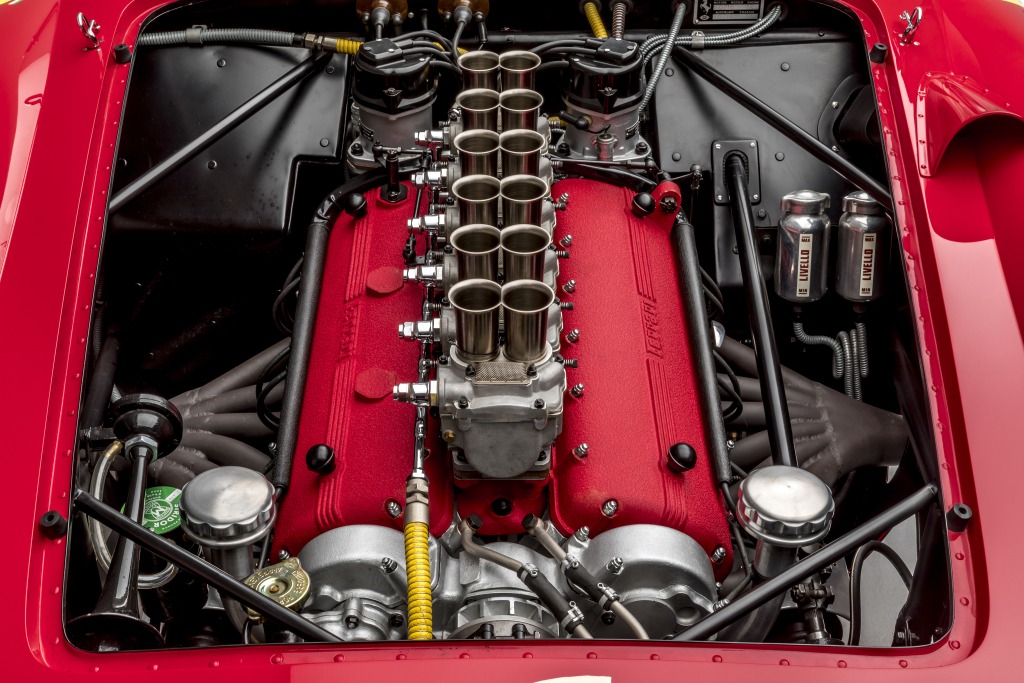
A smooth ride does not come from luck; it comes from choices most drivers make before trouble shows up. You feel the difference in the first cold start, the first quiet idle at a red light, and the way your car responds when the road opens up. That is why Engine Vault Updates matter more than flashy upgrades or last-minute repairs. They focus on the hidden habits, checks, and maintenance decisions that keep power delivery calm instead of shaky.
Drivers often chase comfort through tires, seat cushions, or suspension fixes while ignoring the engine’s daily workload. The engine is the source of rhythm. When it strains, everything else feels slightly wrong. For readers who track auto care trends, trusted publishing resources such as automotive maintenance insights show how practical guidance still wins over gimmicks. A better ride begins when you stop treating engine care as emergency work and start treating it as routine protection.
Engine Vault Updates That Improve Everyday Ride Quality
Daily driving punishes engines in quiet ways. Short trips, dusty roads, late oil changes, cheap filters, and uneven fuel quality rarely cause instant failure, but they slowly make the vehicle feel tired. The first lesson is simple: comfort starts long before the cabin feels uncomfortable. A car can look clean, sound acceptable, and still lose smoothness because small engine stresses keep stacking up under the hood.
Why engine care tips change how your car feels
Engine care tips are often treated like advice for mechanics, but drivers feel the results every day. A clean air filter helps the engine breathe without strain. Fresh oil helps moving parts glide instead of grind. Proper coolant levels keep heat under control before it turns into knocking, rough idle, or sluggish response.
A real example is the driver who only travels five miles each way to work. That sounds gentle, but short trips often prevent the engine from reaching steady operating temperature. Moisture builds inside the system, oil ages faster, and the car begins to feel less eager even though the mileage stays low. Small routines matter because small damage loves repetition.
Counterintuitively, long highway trips can be easier on an engine than constant stop-and-go driving. The steady pace allows temperature, oil flow, and combustion rhythm to settle. City driving asks the engine to wake up, slow down, heat up, and respond again within seconds. That pattern explains why two cars with the same mileage can feel completely different.
Engine care tips work best when they match how you actually drive. A delivery driver, a weekend traveler, and someone stuck in school traffic every morning do not ask the same thing from an engine. Maintenance that ignores driving style is guesswork wearing a clean shirt.
How smooth ride upgrades begin under the hood
Smooth ride upgrades often begin with parts no passenger ever sees. Spark plugs, belts, mounts, fluids, sensors, and filters shape the way power moves from the engine into the rest of the car. When one piece falls behind, the vehicle may not break down, but it starts speaking through vibration, hesitation, and noise.
A worn engine mount is a perfect example. Many drivers blame tires or road quality when the cabin shakes at idle, yet the problem may be a rubber mount that no longer absorbs movement. Replace it at the right time and the car feels calmer without changing anything inside the cabin. That is not glamour. It is good judgment.
There is also a timing issue that many owners miss. Waiting until a part fails means the surrounding parts absorb extra stress for weeks or months. A weak belt can affect accessories. Dirty oil can strain seals. Low coolant can punish gaskets. Smoothness is rarely saved by one dramatic repair; it is protected by fixing the boring things early.
Smooth ride upgrades should never be confused with cosmetic comfort. A soft seat cannot hide a rough idle forever. Quiet floor mats cannot cover delayed throttle response. The engine sets the emotional tone of the drive, and once you understand that, maintenance stops feeling optional.
Reading Engine Behavior Before Problems Become Expensive
The engine tells the truth before the dashboard does. Warning lights matter, but they often arrive after the engine has already spent weeks asking for attention in smaller ways. A faint rattle, a slower start, a slight smell after parking, or a new vibration at low speed can reveal more than a late alarm on the instrument panel. Drivers who learn these signals save money because they act while choices are still cheap.
What engine performance updates reveal early
Engine performance updates are not only about gaining power. They are about restoring balance. When a technician checks fuel delivery, ignition quality, compression, airflow, and sensor readings, the goal is often to find why the car no longer feels clean in motion. Better response may come from correction, not enhancement.
Take a car that hesitates when merging onto a busy road. The owner may think the engine is aging, but a dirty throttle body or tired spark plug can create that pause. The fix can be modest, yet the effect feels dramatic because the driver regains confidence at the exact moment confidence matters.
The unexpected part is that a quieter engine is not always a healthier one. Some problems hide behind silence. A clogged filter can make the engine feel muted, not loud. Weak fuel pressure can feel like laziness, not danger. That is why attentive driving beats waiting for obvious drama.
Engine performance updates should begin with observation before replacement. Write down when the issue happens: cold start, hot idle, uphill pull, air conditioner on, heavy traffic, or after refueling. Patterns turn vague complaints into useful clues. Mechanics work faster when the driver brings evidence instead of panic.
Why better engine maintenance depends on timing
Better engine maintenance depends less on ambition and more on timing. Changing oil late again and again does more harm than skipping one fancy service package. Replacing filters after performance drops means the engine has already been working harder than necessary. Good maintenance acts before the engine complains loudly.
A common case appears during seasonal shifts. Drivers prepare the cabin for summer heat or winter cold, but the engine faces its own seasonal strain. Hot weather pushes cooling systems. Cold mornings thicken oil and expose weak batteries. Dusty months punish intake filters. Each season changes the engine’s workload.
The strange truth is that maintenance can be too reactive even when it is frequent. Some drivers visit workshops often but only after noticing a problem. That habit creates a cycle of chasing symptoms. Scheduled checks break the cycle because they look for wear before it becomes behavior.
Better engine maintenance also means refusing false savings. Cheap oil, poor filters, and ignored intervals may protect your wallet for one afternoon, then punish it later. The engine does not care what the receipt looked like. It cares whether the part or fluid can handle the job.
Matching Maintenance Choices to Real Driving Conditions
No engine lives in a brochure. It lives in heat, dust, traffic, speed bumps, fuel stations, steep roads, and the driver’s habits. This is where many maintenance plans fail. They assume a clean, predictable world that most drivers never experience. The smarter approach looks at conditions first, then builds care around the life the vehicle actually has.
How city traffic changes engine care tips
City traffic turns ordinary driving into repeated stress. The engine idles often, cools unevenly, heats again, and rarely enjoys steady airflow. Even short distances can feel easy to the driver while working the engine harder than a longer, calmer trip. This is why service intervals based only on mileage can mislead you.
A parent doing school runs may cover fewer miles than a highway commuter, yet the engine may work through more starts, stops, and idle time. That pattern affects oil condition, battery load, cooling fans, and fuel use. The odometer tells distance, not effort. Effort is the better judge.
Here is the detail many people miss: idling is still engine work. The car is not resting at a long signal or in a parking queue with the air conditioner running. Fuel burns, heat builds, oil circulates, and parts move. The vehicle may be still, but the engine is busy.
Engine care tips for city drivers should focus on fluids, filters, cooling health, and idle behavior. Listen when the engine fan runs longer than usual. Notice when idle speed feels uneven. Pay attention when fuel economy drops without a change in route. City engines whisper before they shout.
Why highway driving needs different smooth ride upgrades
Highway driving gives the engine steadier rhythm, but it raises the price of neglect. Higher speeds make small weaknesses more serious because the engine works under sustained load. A marginal cooling system, aging belt, or weak ignition part may survive city errands but reveal itself during a long climb or hot-weather trip.
A driver planning a family road journey often checks tire pressure and fuel but skips the engine bay. That mistake shows up when the car feels strained after an hour at speed. The issue may not be one dramatic failure. It may be old coolant, a clogged air filter, or spark plugs past their best days.
Smooth ride upgrades for highway use should protect consistency. The goal is not a louder exhaust or sharper throttle for bragging rights. The goal is a car that holds speed, climbs cleanly, stays cool, and does not fatigue the driver with noise or vibration. Comfort at speed is an engine health issue as much as a suspension issue.
Long routes also expose weak maintenance choices because there is nowhere to hide. A bad belt squeal sounds worse away from home. A small coolant leak feels bigger on an empty road. Preparation is not nervous behavior. It is respect for distance.
Building a Practical Engine Care Routine You Can Keep
Maintenance advice fails when it becomes too complicated to follow. Drivers do not need a ritual that takes over their weekends. They need a routine simple enough to repeat, specific enough to matter, and honest enough to prevent expensive surprises. The best plan fits into normal life without becoming background noise.
The weekly check that supports engine performance updates
A weekly check should take minutes, not an afternoon. Open the hood when the engine is cool, look for fluid levels, loose caps, cracked hoses, oily residue, and anything that smells unusual. Check the driveway or parking spot for fresh marks. Start the car and listen before turning on music or the air conditioner.
This habit sounds small until it saves you from a major repair. A slow coolant drop, caught early, may lead to a cheap hose fix. Ignored for weeks, it can turn into overheating and gasket trouble. The same applies to oil leaks, belt wear, and strange smells after driving.
Engine performance updates become more useful when you know your car’s baseline. You cannot recognize a new sound if you never listen when things are normal. You cannot spot a slow leak if you never look under the car. Familiarity turns ordinary ownership into early detection.
A simple note on your phone can help. Record service dates, oil type, filter changes, tire pressure checks, and any odd behavior. Memory lies after a busy month. Notes do not.
How better engine maintenance protects resale value
Better engine maintenance protects more than today’s drive. It protects the story your car tells later. Buyers and mechanics can sense neglect fast: uneven idle, dirty fluids, warning lights, delayed starts, smoke, smells, and vague service history. A clean body may attract attention, but a cared-for engine closes the deal.
Service records carry weight because they reduce doubt. A buyer may not understand every repair, but they understand consistency. Receipts for oil changes, coolant service, spark plugs, filters, belts, and inspections show that the car was not treated like a disposable object. That matters when money changes hands.
The surprising part is that small records can increase trust more than big repairs. A stack of emergency invoices can suggest a troubled car. A steady pattern of care suggests a responsible owner. Engines age better when care is boring, documented, and on time.
Engine Vault Updates become most valuable when they shape a routine you can keep without drama. Check weekly, service on schedule, choose quality parts, and respond early when the car feels different. The next step is simple: build a maintenance calendar today and treat every smooth mile as proof that preparation pays.
Frequently Asked Questions
What are the best engine care tips for smooth rides?
Start with oil changes, clean filters, coolant checks, spark plug health, and listening for new sounds. Smooth rides come from steady engine behavior, not one big repair. Catch small changes early and your car stays calmer, quieter, and easier to trust.
How do smooth ride upgrades improve daily driving comfort?
They reduce vibration, hesitation, heat stress, and uneven power delivery. Useful upgrades often include engine mounts, fresh fluids, quality filters, and ignition service. Cabin comfort improves when the engine runs cleanly because less harshness travels through the vehicle.
When should I schedule engine performance updates?
Schedule them when response feels slower, fuel use rises, idle becomes uneven, or the car hesitates under load. You should also check before long trips or seasonal temperature changes. Early updates cost less than repairs made after warning lights appear.
Why does better engine maintenance save money?
It prevents small wear from turning into expensive damage. Fresh oil protects moving parts, proper coolant prevents overheating, and clean filters reduce strain. A steady routine lowers repair risk because the engine never has to fight through neglect for long.
Are engine care tips different for city drivers?
City drivers need closer attention to oil condition, cooling fans, filters, and idle quality. Stop-and-go traffic creates heat and repeated engine load even at low mileage. Service plans based only on distance can miss the strain caused by traffic.
Which smooth ride upgrades should come before cosmetic changes?
Start with engine mounts, fluids, filters, spark plugs, belts, and tire pressure before spending on interior comfort items. Cosmetic changes cannot hide rough engine behavior for long. Mechanical calm should come first because it shapes the whole driving experience.
How do engine performance updates affect fuel economy?
They help restore clean combustion, proper airflow, and sharper ignition. When the engine does not struggle, it burns fuel more efficiently. Results depend on the car’s condition, but fixing neglected basics often improves mileage and throttle response together.
What is the easiest better engine maintenance habit to start?
Check fluids, leaks, smells, and sounds once a week while the engine is cool. This quick habit builds awareness and catches problems early. Pair it with a simple service log so you always know what was done and what comes next.