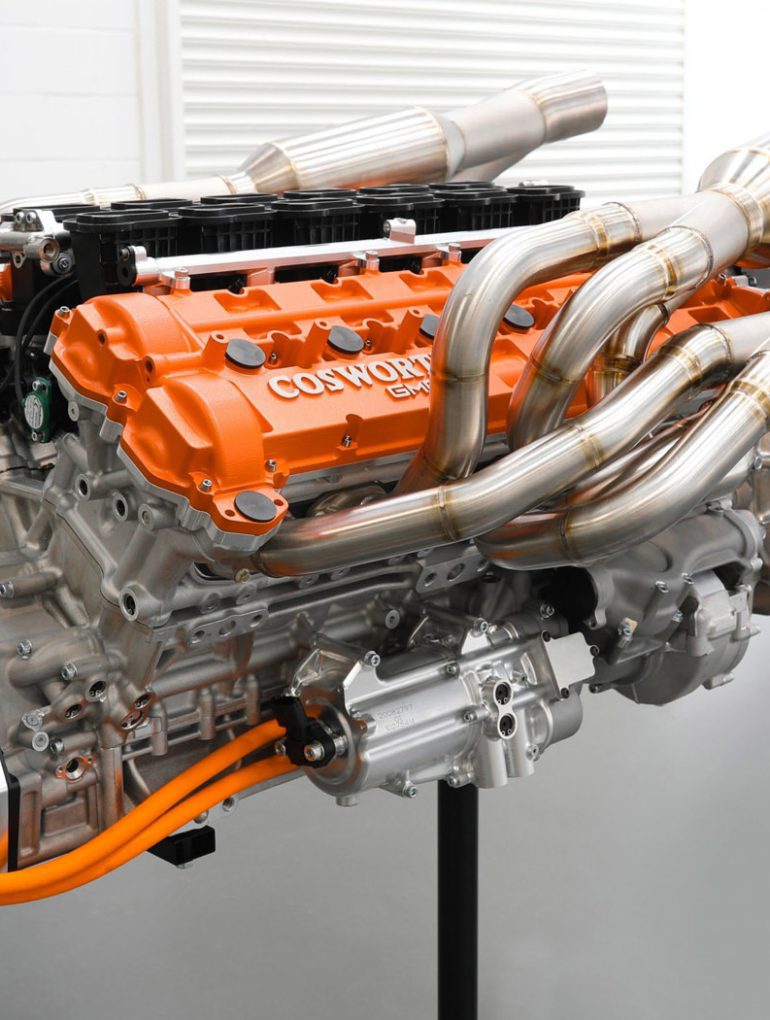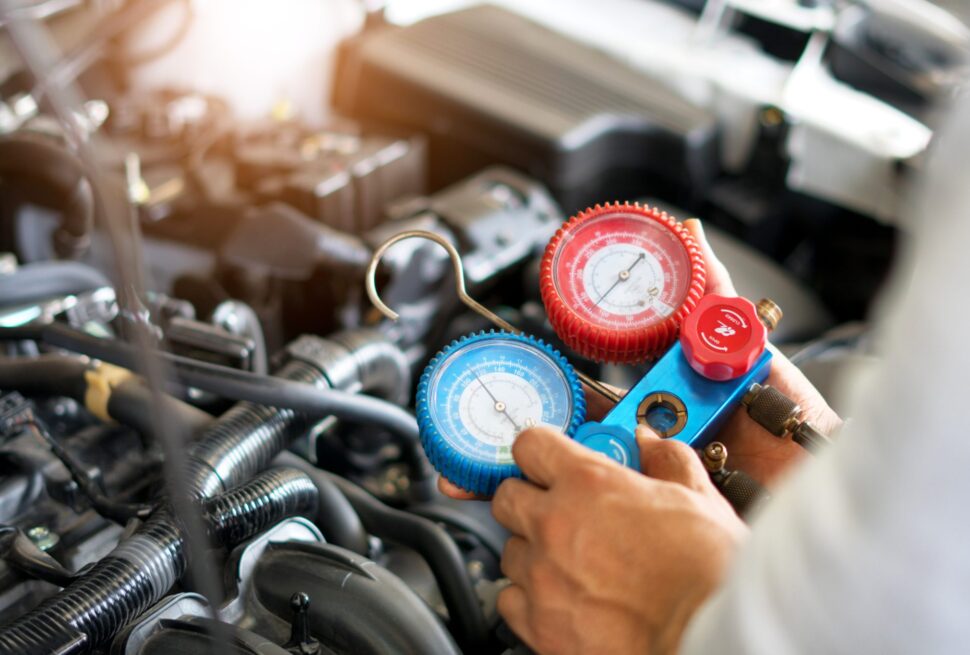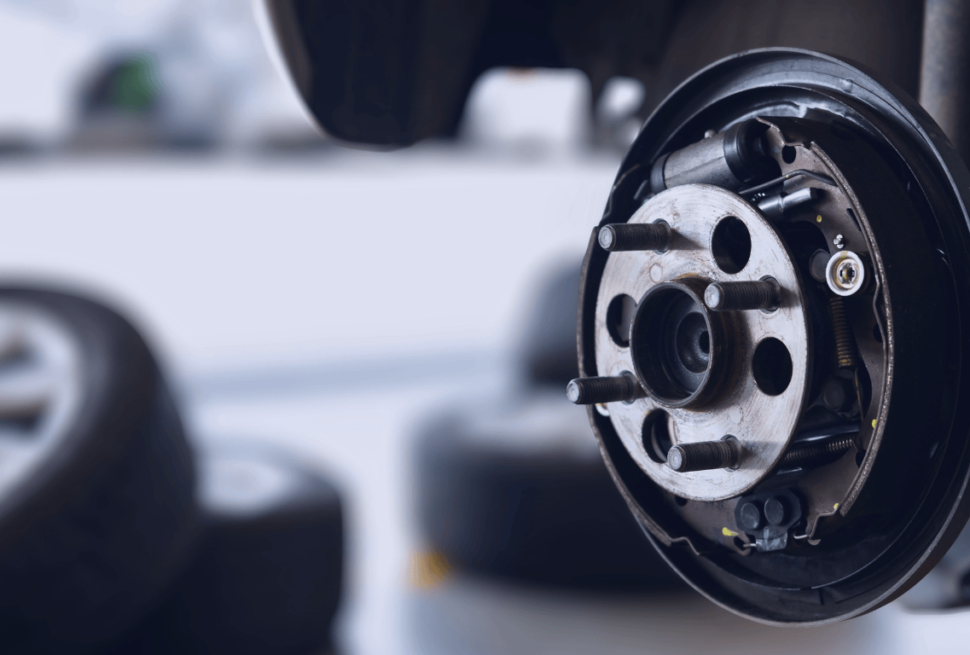
A strong engine rarely fails in one dramatic moment. It usually loses its edge through small habits that look harmless until the car feels dull, noisy, thirsty, or slow to respond. That is why smart Engine Vault Ideas matter for anyone who wants sharper movement without turning daily driving into a costly obsession. Better performance starts with respect for the parts doing the hard work every mile, not with random upgrades or guesswork. The smartest drivers treat engine care like a rhythm: listen early, act early, and stop pretending warning signs are personality traits. Helpful guidance from trusted automotive resources and performance-focused publishing networks can support smarter choices, but your real advantage comes from knowing how your vehicle behaves when everything is healthy. Once you know that baseline, every strange sound, rough idle, delayed pull, or fuel change starts telling a story. Ignore the story, and the repair bill writes the ending.
Build a Performance Baseline Before You Chase Power
Power feels exciting, but baseline health decides whether that power lasts. Many drivers jump straight to parts, additives, filters, or tuning ideas before asking a boring but necessary question: is the engine already working as it should? A car with weak spark plugs, dirty oil, tired sensors, or restricted airflow will not reward upgrades. It will hide problems under fresh parts until the weakness becomes more expensive. The first real move is not adding more. It is learning what “normal” feels like.
Engine performance tips that start with listening
Engine performance tips often sound like garage talk, but the most useful ones begin before a wrench appears. Start with cold starts, idle behavior, throttle response, and fuel smell. A healthy engine should settle into rhythm without shaking the cabin or hunting up and down in revs. When it hesitates after you press the pedal, the delay is not mood. It is information.
A grounded example makes this clear. A daily driver that once climbed a mild hill in third gear without effort begins needing more throttle on the same road. Nothing has broken in a dramatic way, but the car has changed. That shift could point toward airflow restriction, aging plugs, poor fuel delivery, or a sensor feeding weak data to the control unit.
Better driving performance starts when you notice these shifts before the dashboard joins the conversation. Warning lights help, but they often arrive late. Your ears, feet, and fuel gauge usually complain first, and they complain in plain language if you pay attention.
Keep records like a serious owner, not a forgetful one
A notebook, phone note, or maintenance app can protect your wallet better than another bottle from the parts store shelf. Record oil changes, filter swaps, spark plug mileage, coolant service, unusual sounds, and fuel economy changes. The point is not to become obsessive. The point is to stop guessing.
Patterns beat memory every time. If fuel economy drops two weeks after a rough idle begins, that pairing matters. If the car feels weaker after a fuel stop at an unfamiliar station, that matters too. A mechanic can work faster with a timeline than with a vague complaint like “it feels off.”
Car power maintenance becomes simpler when your records show cause and effect. You stop replacing parts because someone online had a similar symptom, and you start making choices based on your own machine. That is the difference between owning a car and reacting to one.
Use Hyper Engine Vault Thinking for Smarter Daily Maintenance
Maintenance gets treated like punishment by drivers who only think about it after something fails. That mindset is backwards. Hyper Engine Vault thinking means you protect the engine’s stored potential before heat, friction, dirt, and neglect steal it. The goal is not to baby the car. The goal is to keep every moving part working with less resistance, cleaner combustion, and fewer surprises. Daily maintenance is not glamorous, but it is where performance is either preserved or quietly wasted.
Clean oil is not a luxury item
Oil does more than lubricate. It carries heat, traps tiny particles, supports seals, and helps moving metal survive under load. Old oil turns from protection into compromise. Stretching oil changes too far may save money this month, but it charges interest through wear you cannot see yet.
A simple city-driving example proves the point. Short trips can be harder on oil than longer highway runs because the engine may not stay hot long enough to burn off moisture and fuel dilution. A car used for school runs, errands, and stop-and-go traffic may need closer attention than a car covering steady miles on open roads.
Performance tuning habits should never outrun oil discipline. A sharper throttle map or freer intake cannot undo internal wear caused by poor lubrication. The engine rewards boring care first, then responds better to anything extra.
Airflow decides how cleanly power arrives
An engine needs air, fuel, spark, and compression working in balance. Drivers often focus on fuel because they pay for it weekly, but airflow deserves equal respect. A clogged air filter makes the engine breathe through a blocked doorway. The car may still move, but it works harder than it should.
Air filters, intake ducts, vacuum hoses, and throttle bodies all influence how the engine reacts when you ask for power. Dusty roads, construction zones, and long gaps between services can turn a small restriction into a sluggish driving feel. The fix may be simple, but the symptom can feel bigger than it is.
Engine performance tips become useful when they connect small parts to felt results. A clean air path can sharpen response, smooth idle, and help fuel burn with less waste. That is not magic. That is physics behaving politely.
Choose Upgrades That Match the Car You Actually Drive
Upgrades are where many owners lose discipline. A part looks exciting, a forum thread sounds convincing, and suddenly a commuter car is being treated like a weekend track build. Better performance does not come from buying the loudest promise. It comes from matching improvements to your engine, your roads, your climate, and your driving style. The best upgrade is the one that solves a real limit without creating three new problems.
Better driving performance does not always mean more noise
Better driving performance often feels like control, not drama. A smoother throttle response, cleaner gear changes, steadier cooling, and stronger mid-range pull may matter more than a loud exhaust note. Noise can trick your brain into thinking the car got faster. Timing lights and fuel logs are less emotional.
Consider a driver who mostly handles traffic, short highway merges, and weekend family trips. That car may gain more from fresh ignition parts, clean injectors, quality tires, and healthy mounts than from a harsh intake setup that adds sound but little usable gain. The road does not care how exciting the part description sounded.
A counterintuitive truth sits here: restraint can be the performance move. When you avoid mismatched upgrades, the engine stays balanced. Balanced engines feel stronger because they stop wasting effort fighting poor choices.
Performance tuning habits need mechanical honesty
Performance tuning habits should begin with compression checks, scan data, cooling health, and service history. Tuning an engine with unresolved mechanical issues is like asking a tired runner to sprint with a stone in one shoe. The result may look brave for a minute, then ugly after that.
Modern engines depend on sensors and control systems that adjust fuel, timing, and air based on constant feedback. A weak oxygen sensor, dirty mass airflow sensor, or small vacuum leak can make tuning feel inconsistent. The engine may run rich, pull timing, or respond unpredictably under load.
Car power maintenance protects the foundation that tuning depends on. Replace weak parts first. Confirm temperatures stay controlled. Check fuel quality and spark strength. After that, upgrades have room to work instead of covering up neglect.
Protect Performance Under Heat, Load, and Real Roads
Engines do not live in showroom conditions. They sit in traffic, climb hills, handle dusty streets, idle in heat, and start cold after long nights. Real roads punish weak care. That is why the final layer of performance is not about peak numbers. It is about keeping the engine calm when conditions are unfair. A car that performs well only on a perfect morning is not sorted. It is lucky.
Cooling health is performance insurance
Heat is the enemy that smiles until it bites. Coolant condition, radiator flow, thermostat function, fan operation, and hose strength all decide whether an engine can stay stable under pressure. A car can feel normal during short drives and still struggle when the weather turns hot or the road climbs for several minutes.
A common example is the vehicle that runs fine around town but creeps upward on the temperature gauge during highway traffic after a long drive. That is not a random quirk. It may reveal a weak fan, restricted radiator, old coolant, or a cap that no longer holds pressure.
Better driving performance depends on temperature control because heat changes everything. It affects oil strength, ignition timing, fuel behavior, and internal clearances. Keep the cooling system healthy, and the engine keeps its confidence longer.
Fuel quality and driving rhythm matter more than owners admit
Fuel is not only a cost line. It shapes combustion quality every time the engine fires. Poor fuel, stale fuel, or the wrong octane for a specific engine can cause knock, hesitation, rough running, and reduced response. Saving a little at the pump can become expensive if the engine keeps correcting for weak combustion.
Driving rhythm matters too. Constant hard acceleration before the engine warms up, aggressive throttle in high gears, and long idle periods all add stress in different ways. The car may tolerate those habits for years, but tolerance is not approval.
Engine Vault Ideas work best when they become normal behavior, not a weekend checklist. Choose fuel wisely, warm the engine with calm driving, service the cooling system, and stop ignoring small changes. The smartest next step is simple: build a maintenance log this week and let your own car show you where performance is being lost.
Frequently Asked Questions
What are the best engine performance tips for daily drivers?
Start with oil quality, clean filters, healthy spark plugs, proper tire pressure, and a consistent service record. Daily drivers gain the most from removing small sources of drag and neglect. Fancy parts help less when basic maintenance is already overdue.
How can better driving performance be improved without expensive upgrades?
Focus on maintenance before modifications. Fresh fluids, clean airflow, strong ignition, correct alignment, and good fuel can make a car feel sharper without major spending. Many vehicles feel slow because they are neglected, not because they lack parts.
What car power maintenance should I do first?
Begin with oil, coolant, air filter, spark plugs, battery health, and scan data if the car supports diagnostics. These areas influence power, response, and reliability. A clean maintenance baseline helps you avoid replacing parts that were never the problem.
Are performance tuning habits safe for older engines?
They can be safe when the engine is mechanically healthy first. Compression, cooling, fuel delivery, and ignition should be checked before tuning. Older engines with hidden wear may react poorly to added stress, even when the tune itself looks mild.
How often should engine airflow parts be checked?
Inspect the air filter during routine service and sooner if you drive dusty roads. Intake hoses and clamps deserve attention when idle quality changes or throttle response feels weak. Clean airflow supports smooth combustion and protects fuel economy.
Does fuel quality affect engine performance?
Fuel quality affects combustion, throttle response, and knock control. Engines designed for higher octane may reduce power when fed lower-grade fuel. Even standard engines can run poorly on contaminated or stale fuel, especially under heat or load.
Why does my car feel weaker even without a warning light?
A warning light often appears after the issue grows large enough for the system to flag it. Weak spark, dirty airflow sensors, clogged filters, aging fuel pumps, and small vacuum leaks can reduce performance before any dashboard alert appears.
What is the smartest first step for better engine care?
Create a simple maintenance log and record how the car behaves after every service, fuel change, or symptom. Patterns reveal problems faster than memory. Once you know your vehicle’s normal behavior, small changes become easier to catch early.