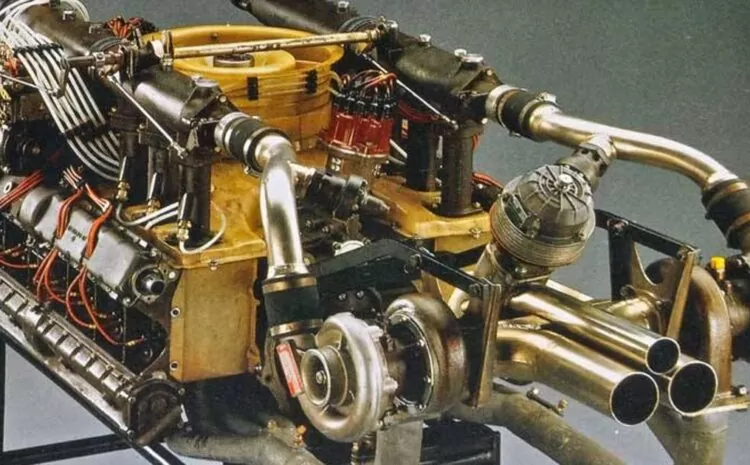
A healthy engine does not happen by luck. It comes from the quiet choices you make before warning lights, rough starts, strange smells, and expensive noises enter the story. The Hyper Engine Vault mindset treats engine care as a steady habit, not a panic button you press after something goes wrong. That matters because modern vehicles are stronger than older ones in many ways, but they also punish neglect faster. Heat, dirty oil, weak filters, poor driving habits, and missed inspections slowly turn a dependable car into a problem you keep paying for. A smart owner does not need to become a mechanic, but you do need to understand what your engine is asking from you. Resources such as trusted automotive guidance can help drivers think about maintenance as a long-term system instead of a random checklist. The real goal is simple: fewer breakdowns, smoother drives, better fuel behavior, and a vehicle that feels ready every time you turn the key.
Hyper Engine Vault Habits That Protect the Heart of Your Vehicle
Most engine trouble starts quietly. A small delay in service, one ignored noise, or a skipped fluid check rarely feels serious on the day it happens, yet engines remember neglect with cruel accuracy. Reliable vehicle maintenance begins with respecting small signs before they become costly proof.
Engine health tips that start before the dashboard warns you
Good maintenance begins before a light appears on the dashboard. Warning lights help, but they are late messengers. By the time the car asks for help, heat, friction, or contamination may already be working against you under the hood.
The better habit is to build a short rhythm around the car. Check the oil level every few fuel stops, listen during cold starts, and notice whether acceleration feels rougher than usual. These checks take less time than ordering coffee, but they can catch a problem before it grows teeth.
A real example is oil loss between changes. Many drivers assume that if oil was changed recently, the level must still be safe. Not always. But often enough, a slow leak or burning issue can drop the level below comfort long before the next service date arrives. That is where engine health tips stop being theory and start saving money.
Reliable vehicle maintenance means treating time as seriously as mileage
Mileage matters, but time matters too. A car that sits for long stretches can still age in ways the odometer hides. Rubber dries, fluids degrade, batteries weaken, and seals lose their tight hold even when the vehicle barely moves.
This catches many careful owners off guard. They think low mileage means low risk, then wonder why the car feels stiff, hesitant, or rough after months of light use. Reliable vehicle maintenance looks at both distance and calendar age because engines do not live by mileage alone.
Seasonal checks are a smart answer. Before hotter months, inspect coolant strength, belts, hoses, and air intake condition. Before colder periods, focus on battery health, oil condition, and starting behavior. The work feels modest, but it gives the engine a better chance to handle stress before stress shows up.
Fluids, Filters, and Heat Control Decide How Long the Engine Lasts
Once you understand daily habits, the next layer is the engine’s working environment. Oil, coolant, air, and fuel quality shape how hard the engine must fight to do its job. Preventive auto care works because it keeps that environment clean, stable, and forgiving.
Preventive auto care begins with clean oil and honest intervals
Oil is not a magic liquid that stays protective forever. It collects heat, dirt, metal particles, and combustion byproducts while trying to keep moving parts from grinding themselves into regret. Stretching oil changes too far is one of the easiest ways to shorten engine life without noticing it right away.
The mistake is trusting a perfect schedule in an imperfect life. Short trips, dusty roads, heavy traffic, towing, and extreme heat all make oil work harder. A car used for stop-and-go errands may need more attention than one that cruises calmly on open roads.
Preventive auto care means choosing oil intervals based on how you drive, not how you wish you drove. A delivery driver, a parent doing short school runs, and a commuter stuck in heat all place different demands on the engine. The manual gives a baseline, but your use tells the fuller truth.
A car performance guide should never ignore airflow and cooling
Power depends on breathing and temperature control. An engine that cannot pull in clean air or shed heat properly will never feel its best, no matter how strong it looks on paper. Filters and cooling parts do not sound exciting, but they shape the drive every day.
A clogged air filter can dull throttle response and strain fuel behavior. A weak radiator cap, tired hose, or low coolant level can invite heat spikes that damage parts faster than many drivers expect. The trouble is that cooling issues often seem minor until the gauge climbs and the mood in the cabin changes.
Any honest car performance guide should treat airflow and cooling as foundation work. Before chasing upgrades, make sure the engine can breathe, cool itself, and hold stable fluid pressure. Power built on poor basics is not power; it is borrowed time with a louder bill attached.
Driving Style Can Either Save Your Engine or Wear It Down Early
Maintenance does not stop in the garage. The way you drive changes how the engine ages, especially during starts, stops, traffic, hills, and heavy loads. Engine care is not only about service records; it is also about the daily relationship between your right foot and the machine doing the work.
Engine health tips for cold starts, short trips, and heavy traffic
Cold starts place real strain on an engine because oil has not fully reached every moving surface yet. That does not mean you need to idle for ages, but it does mean the first few minutes deserve patience. Hard acceleration right after startup is a bad trade: you gain seconds and spend wear.
Short trips create another problem. The engine may not reach full operating temperature long enough to burn off moisture and fuel residue inside the system. Over time, that pattern can make oil dirtier and increase internal stress.
Traffic adds heat and repetition. The engine cycles through stop, crawl, brake, and start again while airflow stays limited. Gentle inputs, steady spacing, and fewer sharp bursts help the engine stay calmer. Good drivers are not slow; they are smooth where it counts.
A car performance guide for daily drivers must respect load
Weight changes everything. Extra passengers, roof cargo, towing, steep roads, and underinflated tires force the engine to work harder for the same movement. Many drivers blame the engine when the real issue is the load they keep asking it to carry.
This is where common sense beats ego. Remove unnecessary weight from the trunk, keep tires properly inflated, and avoid sudden throttle demands when the vehicle is loaded. The engine can handle work, but it hates surprise abuse.
A practical car performance guide for daily use should help you feel the difference between power and strain. Smooth acceleration under load protects the engine, transmission, mounts, and cooling system all at once. The drive may feel calmer, but the machine underneath is thanking you in the only language it knows: fewer problems later.
Building a Long-Term System for Confident Ownership
A strong engine plan is not a pile of random reminders. It is a system you can repeat without overthinking. Once service habits, fluids, filters, heat, and driving behavior line up, the final step is tracking what happens so decisions become easier over time.
Reliable vehicle maintenance works best when records tell the story
Memory is a weak maintenance tool. You may think you remember when the oil was changed, when the spark plugs were checked, or when the coolant was replaced, but life blurs dates fast. A simple record turns guesswork into clarity.
Keep a note on your phone, a folder of receipts, or a small log in the glove box. Record the date, mileage, service type, parts used, and any symptoms you noticed. That small habit becomes powerful when a mechanic asks what changed and when.
Reliable vehicle maintenance also helps you spot patterns. If oil drops between services, if fuel economy declines, or if a noise returns after repairs, your notes give shape to the issue. Without records, every problem feels new. With records, the car starts telling a story you can actually read.
Preventive auto care saves money by reducing surprise
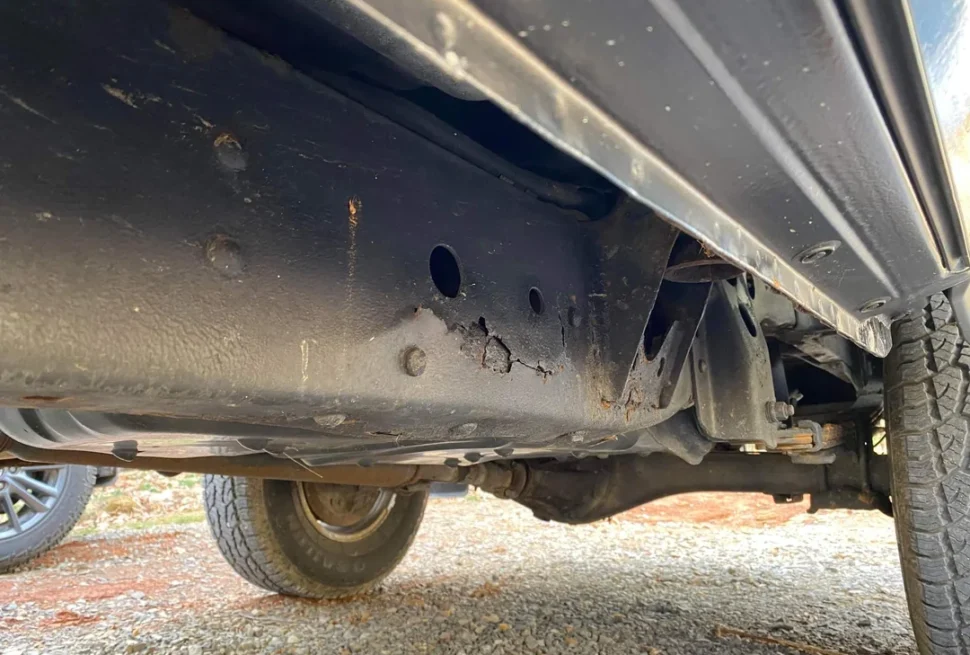
The most expensive repairs often feel sudden, but many began months earlier. A hose softened. A gasket seeped. A belt cracked. A filter clogged. The final failure gets attention, yet the warning signs had already been tapping the glass.
This is why inspections matter even when the vehicle feels fine. Ask for belt, hose, fluid, leak, battery, and cooling checks during routine visits. Do not treat them as upsells by default, but do ask the mechanic to show you what they see. A good shop can explain wear without pressure.
Preventive auto care is not about fear. It is about control. When you catch wear early, you choose the repair date, compare options, plan the cost, and avoid the roadside version of the same decision. That single shift changes ownership from reactive spending to calm planning.
Conclusion
Long engine life comes from attention that feels almost boring in the moment. That is the part many drivers miss. The dramatic repair gets the story, but the quiet check, the timely oil change, the clean filter, the smooth cold start, and the written service note do the real work. Engine care rewards people who respect small things before they become loud things. You do not need rare tools or deep mechanical knowledge to protect your vehicle; you need consistency, curiosity, and the discipline to act when the car gives you a clue. The strongest next step is simple: build a monthly engine check routine and keep one clean record of every service from this point forward. Start there, and your vehicle stops feeling like a gamble and starts feeling like something you are actively protecting.
Frequently Asked Questions
What is the best engine care routine for daily drivers?
Check oil, coolant, belts, hoses, tire pressure, and air filter condition on a regular schedule. Daily drivers should also watch for rough starts, fuel changes, leaks, and odd smells. Small checks prevent many problems from turning into major repairs.
How often should reliable vehicle maintenance be scheduled?
Service timing depends on mileage, driving style, climate, and vehicle age. Follow your owner’s manual as the baseline, then shorten intervals if you drive in heat, traffic, dust, short trips, or heavy-load conditions.
Which engine health tips matter most for older cars?
Older cars need close attention to leaks, oil level, coolant condition, belts, hoses, spark plugs, and battery strength. Aging parts can fail without much warning, so inspections matter more as the vehicle gets older.
Why is preventive auto care cheaper than emergency repair?
Early maintenance lets you fix wear before it damages connected parts. A weak hose, dirty filter, or low fluid level can create larger failures when ignored. Planned repairs also give you time to compare prices and avoid rushed decisions.
What should a car performance guide include for engine protection?
It should cover oil quality, airflow, cooling, fuel behavior, tire pressure, driving style, and load management. Performance is not only about speed; it is about helping the engine work with less stress during normal use.
How can I tell if my engine needs attention soon?
Watch for hard starts, ticking sounds, burning smells, leaks, smoke, rough idle, weak acceleration, overheating, or sudden fuel economy drops. One symptom may be minor, but repeated changes deserve a proper inspection.
Are short trips bad for engine care habits?
Short trips can be hard on engines because they may not reach full operating temperature long enough to clear moisture and residue. Combine short-trip driving with regular longer drives and timely oil changes to reduce buildup.
What engine maintenance can I do without being a mechanic?
You can check oil level, coolant level, visible leaks, air filter condition, tire pressure, warning lights, and unusual sounds. You can also keep service records and schedule inspections before long trips or seasonal weather changes.